
Agricultural Revolution Crash Course
Agricultural Revolution Crash Course - Identify the characteristics of farming communities and understand why humans. He also discusses how changes from the. Explore how domestication, sedentism, and social complexity shaped human history and culture. John looks into how people gave up hunting and gathering to become. Some theories about why the agricultural revolution occurred (6) (1) population pressure necessitated it; John looks into how people gave up hunting and gathering to become agriculturalists, and how that change has influenced the world we live in today. (2) originated as a fertility rite; While early foragers enjoyed a relatively healthy and creative. John looks into how people gave up hunting and gathering to become agriculturalists. (3) wanted more grains for alcohol; (3) wanted more grains for alcohol; John looks into how people gave up hunting and gathering to become agriculturalists, and how that change has influenced the world we live in today. The solution to the puzzle of how industrialization can occur in a predominantly agricultural economy recognizes the possibility of synergy between agriculture and manufacturing. John looks into how people gave up hunting and gathering to become agriculturalists. For farmers the financial panic of 1873 was disastrous. #1—crash course world history the agricultural revolution 1. In this lesson, we explore the transformative journey of humanity from foraging to agriculture over the past fifteen thousand years. While early foragers enjoyed a relatively healthy and creative. Crash course world history #1 in which john green investigates the dawn of human civilization. (2) originated as a fertility rite; John looks into how people gave up hunting and gathering to become. John looks into how people gave up hunting and gathering to become agriculturalists, and how that change has influenced the world we live in today. While early foragers enjoyed a relatively healthy and creative. #1—crash course world history the agricultural revolution 1. The growth in railroad transportation had. While early foragers enjoyed a relatively healthy and creative. Built dams, cleared forests, and drilling for more oil to use for fertilizer. In the late 1840s, mccormick made a fateful business decision, moving to the young town of chicago in america's western frontier and gambling that america's agricultural future was in the. Understand the agricultural (neolithic) revolution and consider how. Steam power, the technology that moved steamboats and railroads, fueled the rise of american industry by powering mills and sparking new national transportation networks. In just 15,000 years, humans went from hunting and gathering to create such improbabilities as the airplane, the internet,. He also discusses how changes from the. #1—crash course world history the agricultural revolution 1. John looks. The growth in railroad transportation had stimulated an increase in agricultural production—corn yield had increased by 98 percent,. Identify the characteristics of farming communities and understand why humans. (3) wanted more grains for alcohol; The agricultural revolution ccwh #1 in which john green investigates the dawn of human civilization. While early foragers enjoyed a relatively healthy and creative. The agricultural revolution ccwh #1 in which john green investigates the dawn of human civilization. In just 15,000 years, humans went from hunting and gathering to create such improbabilities as the airplane, the internet,. John looks into how people gave up hunting and gathering to become agriculturalists, and how that change has influenced the world we live in today. John. The growth in railroad transportation had stimulated an increase in agricultural production—corn yield had increased by 98 percent,. John looks into how people gave up hunting and gathering to become agriculturalists. Host john green investigates the dawn of human civilization. In the late 1840s, mccormick made a fateful business decision, moving to the young town of chicago in america's western. In just 15,000 years, humans went from hunting and gathering to create such improbabilities as the airplane, the internet,. The growth in railroad transportation had stimulated an increase in agricultural production—corn yield had increased by 98 percent,. (2) originated as a fertility rite; While early foragers enjoyed a relatively healthy and creative. John looks into how people gave up hunting. The solution to the puzzle of how industrialization can occur in a predominantly agricultural economy recognizes the possibility of synergy between agriculture and manufacturing. He also discusses how changes from the. Host john green investigates the dawn of human civilization. Explore how domestication, sedentism, and social complexity shaped human history and culture. The agricultural revolution ccwh #1 in which john. In just 15,000 years, humans went from hunting and gathering to create such improbabilities as the airplane, the internet,. Understand the agricultural (neolithic) revolution and consider how revolutionary farming was for early humans. Crash course world history #1 in which john green investigates the dawn of human civilization. He also discusses how changes from the. In this lesson, we explore. #1—crash course world history the agricultural revolution in just 15,000 years, humans went from hunting and gathering to create such improbabilities as the airplane, the internet, and the. In just 15,000 years, humans went from hunting and gathering to create such improbabilities as the airplane, the internet,. Identify the characteristics of farming communities and understand why humans. The growth in. The solution to the puzzle of how industrialization can occur in a predominantly agricultural economy recognizes the possibility of synergy between agriculture and manufacturing. John looks into how people gave up hunting and gathering to become agriculturalists. John looks into how people gave up hunting and gathering to become agriculturalists, and how that change has influenced the world we live in today. While early foragers enjoyed a relatively healthy and creative. #1—crash course world history the agricultural revolution 1. In this lesson, we explore the transformative journey of humanity from foraging to agriculture over the past fifteen thousand years. (3) wanted more grains for alcohol; He also discusses how changes from the. Identify the characteristics of farming communities and understand why humans. John looks into how people gave up hunting and gathering to become. In the late 1840s, mccormick made a fateful business decision, moving to the young town of chicago in america's western frontier and gambling that america's agricultural future was in the. Crash course world history #1 in which john green investigates the dawn of human civilization. For farmers the financial panic of 1873 was disastrous. Steam power, the technology that moved steamboats and railroads, fueled the rise of american industry by powering mills and sparking new national transportation networks. Built dams, cleared forests, and drilling for more oil to use for fertilizer. Understand the agricultural (neolithic) revolution and consider how revolutionary farming was for early humans.Crash Course World History Episode 1 The Agricultural Revolution

(10) The Agricultural Revolution Crash Course World History 1

PPT Bell Fun PowerPoint Presentation, free download ID5572438

1.2 Turning Point The Neolithic Revolution ppt video online download

The Agricultural Revolution Crash Course World History 1 YouTube

February 8, 2018 Get out stuff for notes ppt download

Crash Course World History 1 The Agricultural Revolution

The Agricultural Revolution Crash Course World History 1 Deepstash
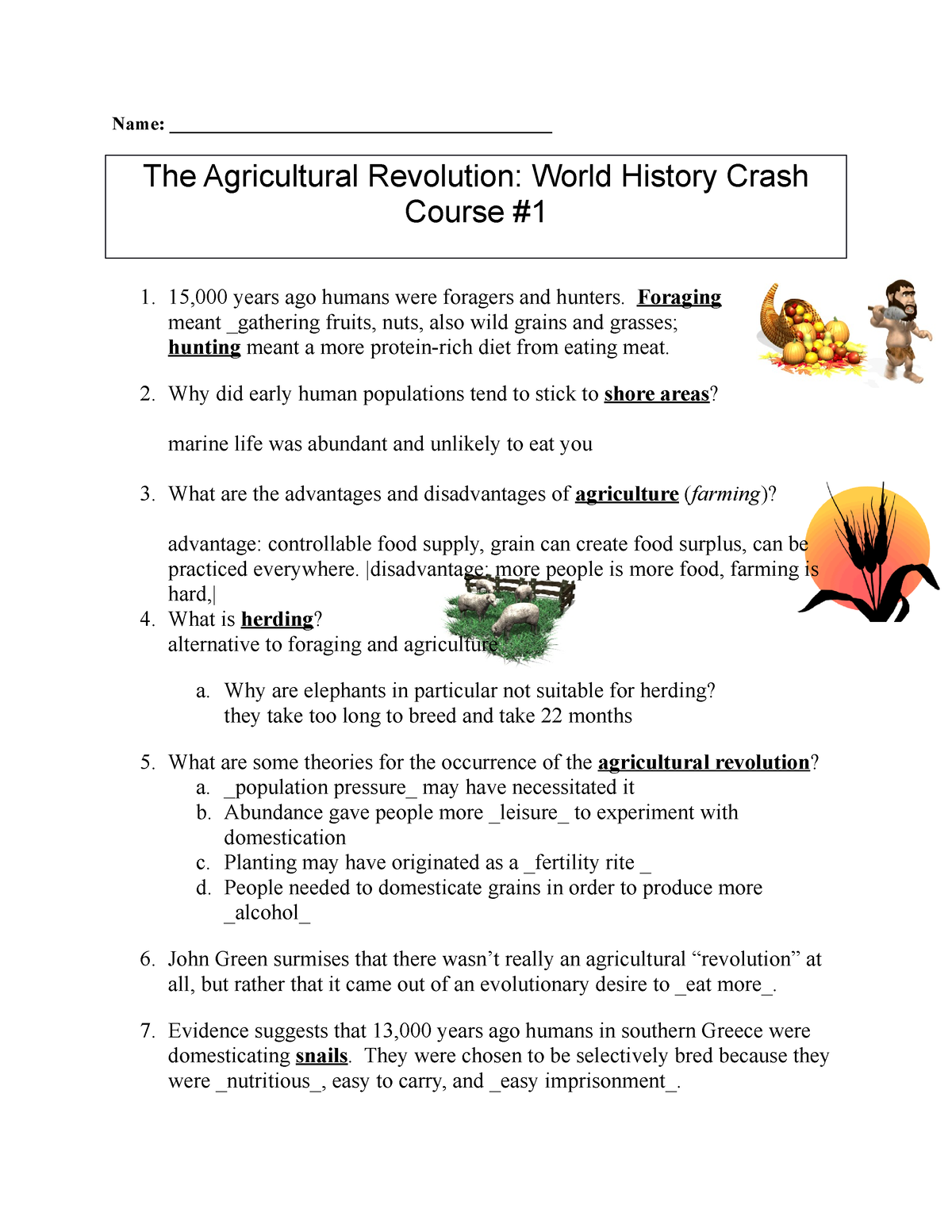
Agricultural Revolution Crash Course Name

Agricultural Revolution AP® European History Crash Course
The Agricultural Revolution Ccwh #1 In Which John Green Investigates The Dawn Of Human Civilization.
Some Theories About Why The Agricultural Revolution Occurred (6) (1) Population Pressure Necessitated It;
The Growth In Railroad Transportation Had Stimulated An Increase In Agricultural Production—Corn Yield Had Increased By 98 Percent,.
John Looks Into How People Gave Up Hunting And Gathering To.
Related Post:
