
Army Motorcycle Safety Course Registration
Army Motorcycle Safety Course Registration - Prerequisite for the basic rider course is possession of an automobile. Ensure that you register for the appropriate course. This course will satisfy the practical test license requirement in most states, unless. Complete the army basic rider course and. The safety training resources below are applicable for everyone from new recruits to seasoned safety professionals. One for personnel who will be using their own motorcycle and one for personnel. If you completed training through a civilian training provider, please contact that site for a replacement card. With half a century of best practices and research under the. You can do the course through the army, but to get your license you'll need to go through your state specific dmv agency. Under the army traffic safety training program, fort campbell conducts motorcycle and driver safety training for soldiers. Motorcycle is provided (actually can’t use your own motorcycle no matter how long you’ve been riding). Course attendance is limited to active. This course will satisfy the practical test license requirement in most states, unless. Contact your garrison safety office for a replacement card. Prerequisite for the basic rider course is possession of an automobile. Includes regulations and other guidance related to motorcycle safety and the army traffic safety training program (atstp). Course registration is through the u.s. The army traffic safety training program. This training includes the motorcycle safety foundation (msf) basic rider course (brc), experienced rider course (erc), and military sport bike rider course (msrc). The purpose of this training program is to provide continuity of army driving / motorcycle training programs throughout the department of the. One for personnel who will be using their own motorcycle and one for personnel. Motorcycle safety foundation has motorcycle riding courses for new and experienced motorcycle riders. Under the army traffic safety training program, fort campbell conducts motorcycle and driver safety training for soldiers. Access online training, classroom training schedules, and more. This course will satisfy the practical test license. With half a century of best practices and research under the. Includes regulations and other guidance related to motorcycle safety and the army traffic safety training program (atstp). Learn crucial safety techniques for riding and make sure you reach your destination safely. This training includes the motorcycle safety foundation (msf) basic rider course (brc), experienced rider course (erc), and military. Course registration is through the u.s. Prerequisite for the basic rider course is possession of an automobile. Access online training, classroom training schedules, and more. Course attendance is limited to active. Complete the army basic rider course and. There are two courses for each date. The safety training resources below are applicable for everyone from new recruits to seasoned safety professionals. One for personnel who will be using their own motorcycle and one for personnel. Army installation registration system, or airs. Motorcycle is provided (actually can’t use your own motorcycle no matter how long you’ve been riding). You must have a valid motorcycle endorsement or motorcycle learner permit and. There are two courses for each date. Ensure that you register for the appropriate course. Complete the army basic rider course and advanced course. With half a century of best practices and research under the. Includes regulations and other guidance related to motorcycle safety and the army traffic safety training program (atstp). Course attendance is limited to active. You can do the course through the army, but to get your license you'll need to go through your state specific dmv agency. Learn crucial safety techniques for riding and make sure you reach your destination safely.. The purpose of this training program is to provide continuity of army driving / motorcycle training programs throughout the department of the. The safety training resources below are applicable for everyone from new recruits to seasoned safety professionals. You must have a valid motorcycle endorsement or motorcycle learner permit and. Course registration is through the u.s. Includes regulations and other. With half a century of best practices and research under the. The safety training resources below are applicable for everyone from new recruits to seasoned safety professionals. Complete the army basic rider course and advanced course. Contact your garrison safety office for a replacement card. This course will satisfy the practical test license requirement in most states, unless. Access online training, classroom training schedules, and more. Motorcycle is provided (actually can’t use your own motorcycle no matter how long you’ve been riding). If you completed training through a civilian training provider, please contact that site for a replacement card. Complete the army basic rider course and. Ensure that you register for the appropriate course. Army installation registration system, or airs. The purpose of this training program is to provide continuity of army driving / motorcycle training programs throughout the department of the. You must have a valid motorcycle endorsement or motorcycle learner permit and. Includes regulations and other guidance related to motorcycle safety and the army traffic safety training program (atstp). This training includes. Learn crucial safety techniques for riding and make sure you reach your destination safely. Motorcycle is provided (actually can’t use your own motorcycle no matter how long you’ve been riding). There are two courses for each date. If you completed training through a civilian training provider, please contact that site for a replacement card. Motorcycle safety foundation has motorcycle riding courses for new and experienced motorcycle riders. The army traffic safety training program. One for personnel who will be using their own motorcycle and one for personnel. Course registration is through the u.s. You can do the course through the army, but to get your license you'll need to go through your state specific dmv agency. Includes regulations and other guidance related to motorcycle safety and the army traffic safety training program (atstp). You must have a valid motorcycle endorsement or motorcycle learner permit and. Access online training, classroom training schedules, and more. Contact your garrison safety office for a replacement card. This course will satisfy the practical test license requirement in most states, unless. This training includes the motorcycle safety foundation (msf) basic rider course (brc), experienced rider course (erc), and military sport bike rider course (msrc). The safety training resources below are applicable for everyone from new recruits to seasoned safety professionals.
Installation motorcycle safety courses to start March 30 Article

Army Motorcycle Regulations Top Defense Systems

Fort Sill Promotes Motorcycle Safety Ride with confidence, ride with
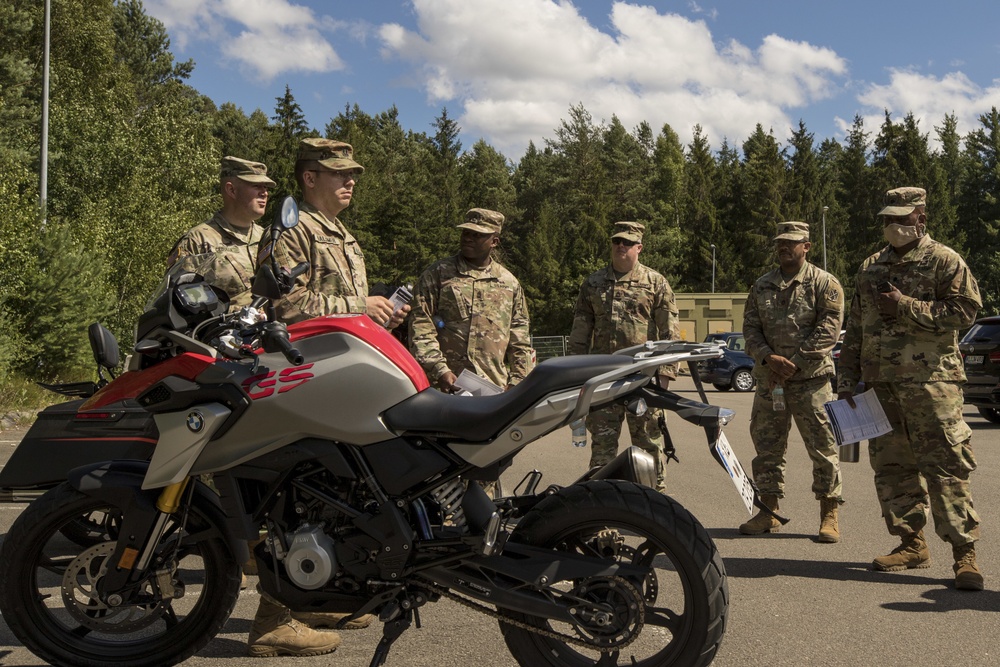
DVIDS Images 10th Army Air and Missile Defense conducts Motorcycle
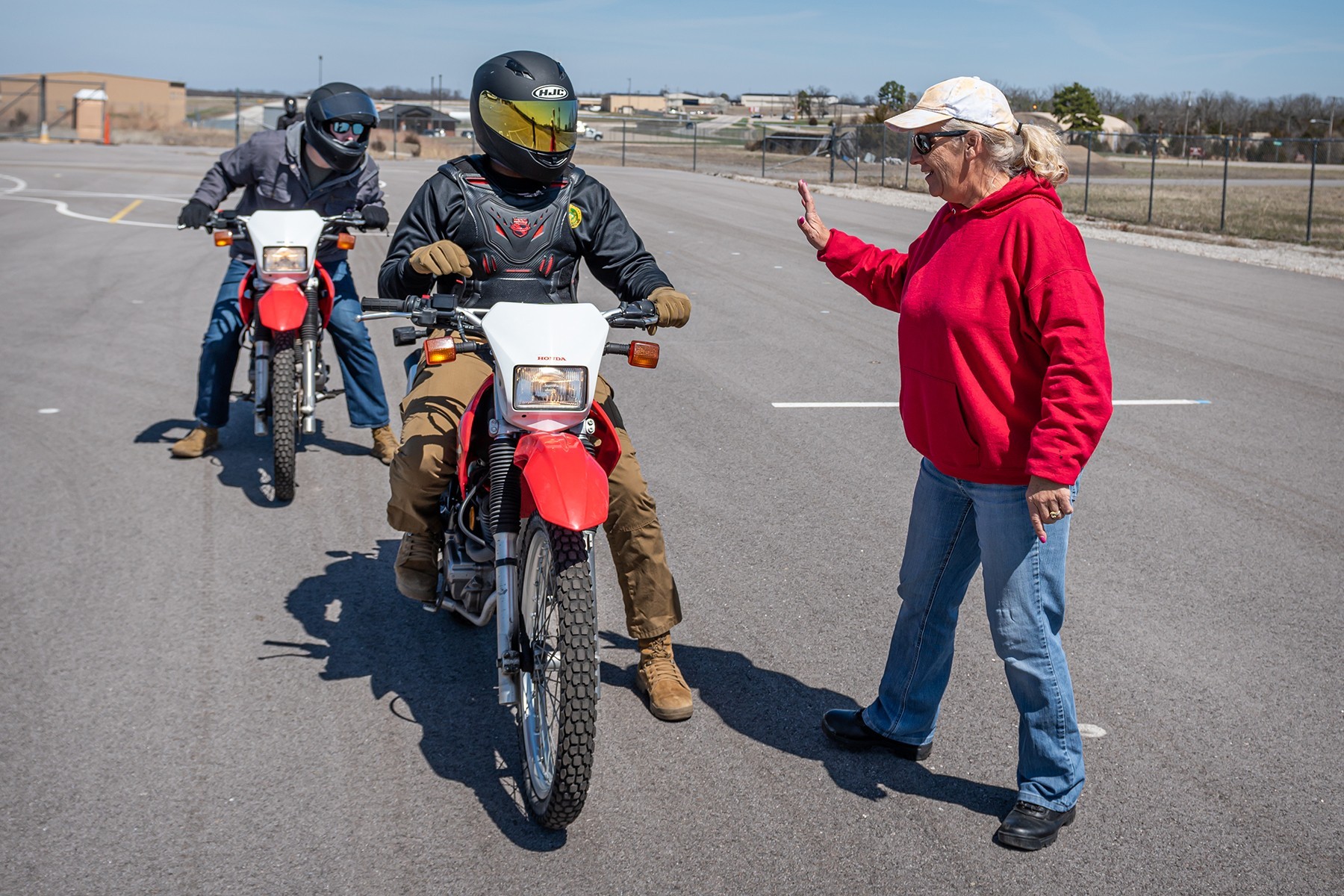
Army updates motorcycle safety course requirements Article The

Motorcycle trainings now open to civilian employees Armywide thanks to

Army Motorcycle Regulations Top Defense Systems
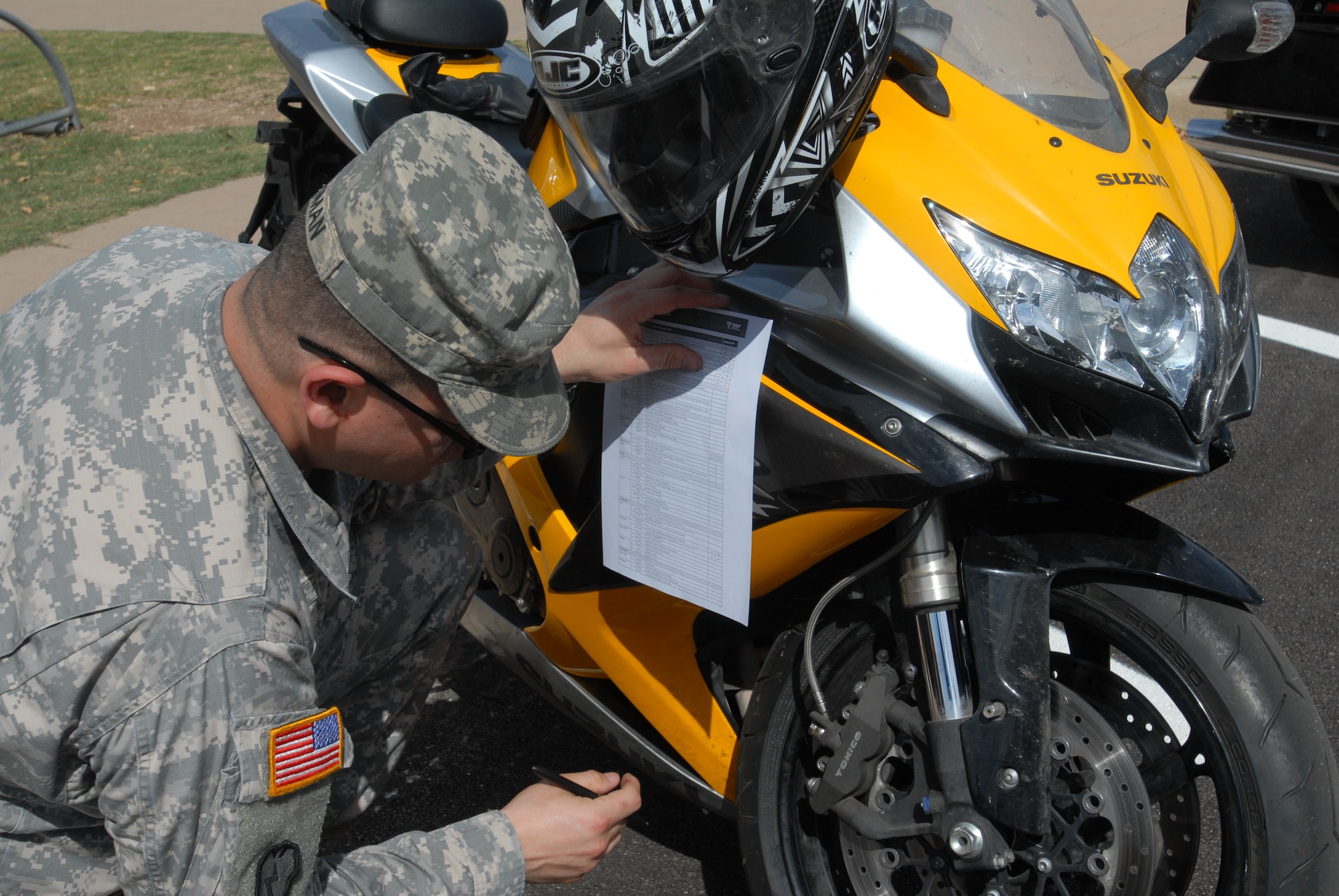
Motorcycle training course focuses on safety > Goodfellow Air Force
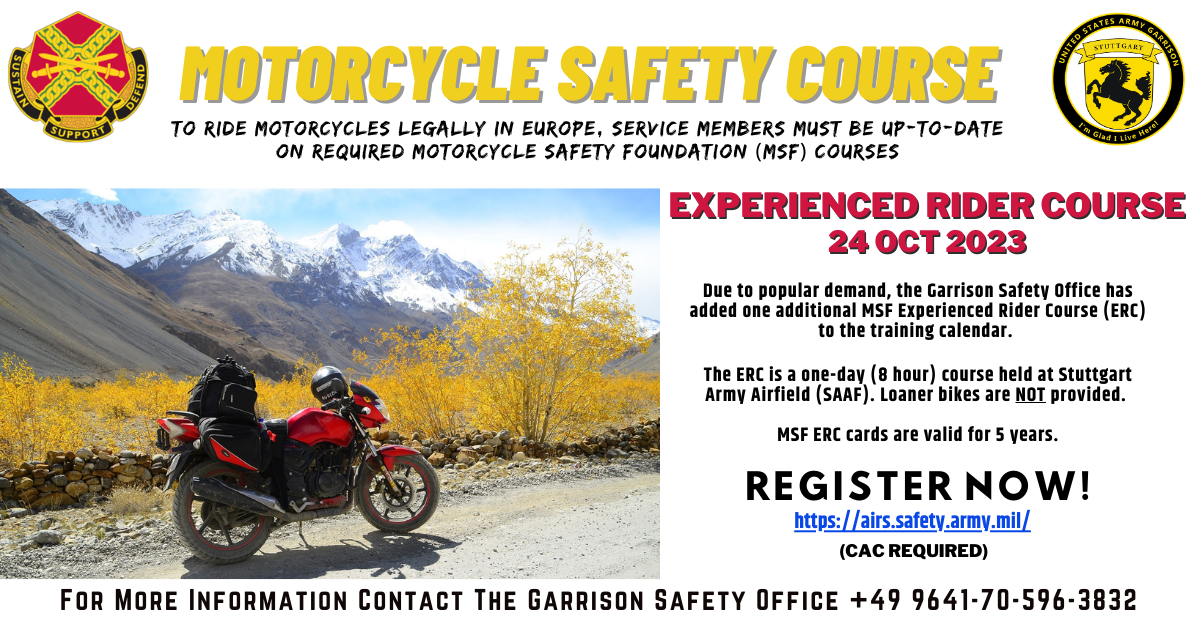
Motorcycle Safety Course

Army Motorcycle Regulations Top Defense Systems
Prerequisite For The Basic Rider Course Is Possession Of An Automobile.
Army Installation Registration System, Or Airs.
The Purpose Of This Training Program Is To Provide Continuity Of Army Driving / Motorcycle Training Programs Throughout The Department Of The.
Complete The Army Basic Rider Course And.
Related Post: