
Course Of Fire
Course Of Fire - • weapons handling • presentation from the holster • fundamentals of marksmanship •. These step by step instructions will get you started. “the best training is the training people will actually do,” gardner emphasized. This course of fire may be fired with any pistol or revolver with a capacity of 5 rounds or more. The course of fire in nra basic pistol consists of a series of shooting exercises designed to teach participants the fundamentals of pistol shooting. This rating is achieved by completing the practical exercise conducted during an nra basic rifle course. Learn the basics of course design for uspsa matches, including safety, balance, diversity and types of courses. When it comes to fire response, theory has its limits. Of course, it also functions as an independent laser sight without the app, and can be used for live fire training, too. I tested the unit on three pistols: Find tips, tools and examples to create challenging and realistic stages for. Table one training objective apply basic marksmanship skills in a live fire setting: Classifiers may require mandatory reloads,. Course of fire nra conventional pistol competition consists of firing slow, timed, and rapid fire. The prone qualification program is designed to develop prone skills, first indoors at 50 feet, and then outdoors at 100 yards. Learn the basics of course design for uspsa matches, including safety, balance, diversity and types of courses. A classifier is a specific stage or course of fire that is designed to measure a competitor’s speed and accuracy within a division. When it comes to fire response, theory has its limits. The table 2 course of fire builds on the skills learned in table 1, while providing additional training in the techniques for presentation, controlled pairs,. This is done at 50 and 25 yards outdoors and almost exclusively at 50 feet indoors. Of course, it also functions as an independent laser sight without the app, and can be used for live fire training, too. 3 yard line (12 rounds total) draw and fire 3 rounds using your strong hand only, switch hands, fire 3 rounds using your weak hand only. Courses of fire there are 4 strings of fire which are the. Course of fire nra conventional pistol competition consists of firing slow, timed, and rapid fire. Means a sequence of activities related to the actual discharge of a firearm on a firing line for training or qualification. This course of fire takes into consideration that most retirees will not carry reloads for their. This rating is achieved by completing the practical. A classifier is a specific stage or course of fire that is designed to measure a competitor’s speed and accuracy within a division. Learn the basics of course design for uspsa matches, including safety, balance, diversity and types of courses. Course of fire nra conventional pistol competition consists of firing slow, timed, and rapid fire. The prone qualification program is. The table 2 course of fire builds on the skills learned in table 1, while providing additional training in the techniques for presentation, controlled pairs,. Course of fire nra conventional pistol competition consists of firing slow, timed, and rapid fire. The prone course culminates by having the shooter fire a dewar. Classifiers may require mandatory reloads,. Table one training objective. Of course, it also functions as an independent laser sight without the app, and can be used for live fire training, too. Course of fire nra conventional pistol competition consists of firing slow, timed, and rapid fire. The table 2 course of fire builds on the skills learned in table 1, while providing additional training in the techniques for presentation,. Course of fire nra conventional pistol competition consists of firing slow, timed, and rapid fire. 37 field courses, 33 speed shoots, and 11 standard exercises. Forest service crews took part in an annual training program to learn how to coordinate aerial attacks on wildfires as california braces for another fire season. These step by step instructions will get you started.. This course of fire takes into consideration that most retirees will not carry reloads for their. The table 2 course of fire builds on the skills learned in table 1, while providing additional training in the techniques for presentation, controlled pairs,. • weapons handling • presentation from the holster • fundamentals of marksmanship •. Of course, it also functions as. Forest service crews took part in an annual training program to learn how to coordinate aerial attacks on wildfires as california braces for another fire season. 37 field courses, 33 speed shoots, and 11 standard exercises. Classifiers may require mandatory reloads,. • weapons handling • presentation from the holster • fundamentals of marksmanship •. Of course, it also functions as. Forest service crews took part in an annual training program to learn how to coordinate aerial attacks on wildfires as california braces for another fire season. I tested the unit on three pistols: The prone course culminates by having the shooter fire a dewar. This is done at 50 and 25 yards outdoors and almost exclusively at 50 feet indoors.. This course of fire may be fired with any pistol or revolver with a capacity of 5 rounds or more. Of course, it also functions as an independent laser sight without the app, and can be used for live fire training, too. The prone course culminates by having the shooter fire a dewar. 37 field courses, 33 speed shoots, and. A classifier is a specific stage or course of fire that is designed to measure a competitor’s speed and accuracy within a division. Classifiers may require mandatory reloads,. These step by step instructions will get you started. Learn the basics of course design for uspsa matches, including safety, balance, diversity and types of courses. Of course, it also functions as an independent laser sight without the app, and can be used for live fire training, too. Forest service crews took part in an annual training program to learn how to coordinate aerial attacks on wildfires as california braces for another fire season. Courses of fire there are 4 strings of fire which are the basic building blocks of any nra high power rifle course of fire or tournament. This is done at 50 and 25 yards outdoors and almost exclusively at 50 feet indoors. Find tips, tools and examples to create challenging and realistic stages for. • weapons handling • presentation from the holster • fundamentals of marksmanship •. This course of fire may be fired with any pistol or revolver with a capacity of 5 rounds or more. Course of fire nra conventional pistol competition consists of firing slow, timed, and rapid fire. The prone qualification program is designed to develop prone skills, first indoors at 50 feet, and then outdoors at 100 yards. 3 yard line (12 rounds total) draw and fire 3 rounds using your strong hand only, switch hands, fire 3 rounds using your weak hand only. The course of fire in nra basic pistol consists of a series of shooting exercises designed to teach participants the fundamentals of pistol shooting. I tested the unit on three pistols: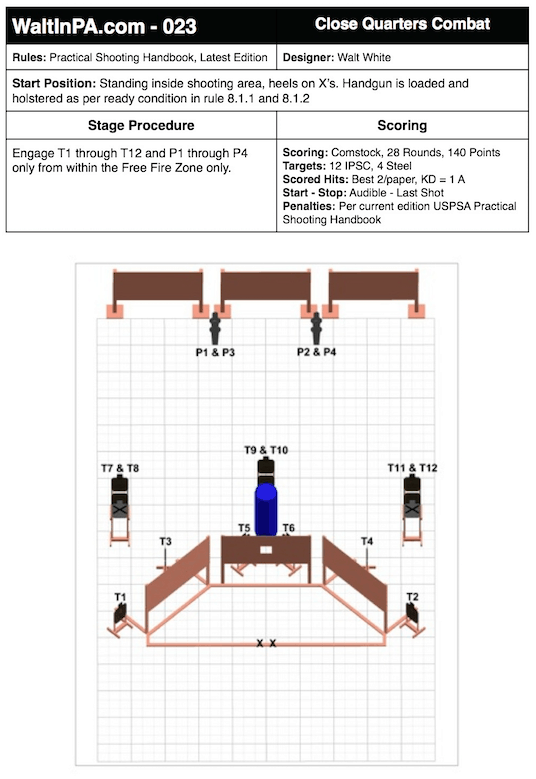
USPSA Stage Close Quarters Combat Walt In PA
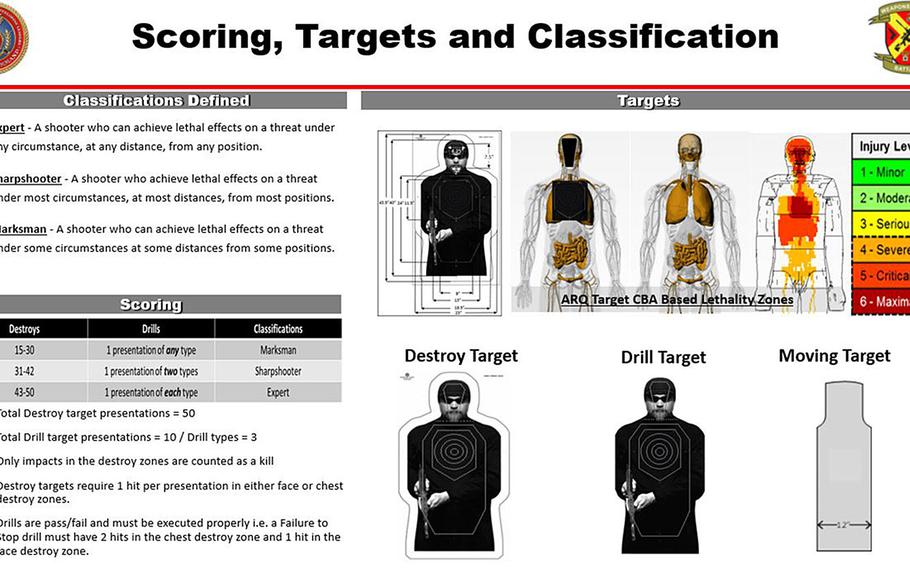
Marines aim for more variety, realism in new marksmanship course

The FBI's Bullseye Course of Fire USA Carry
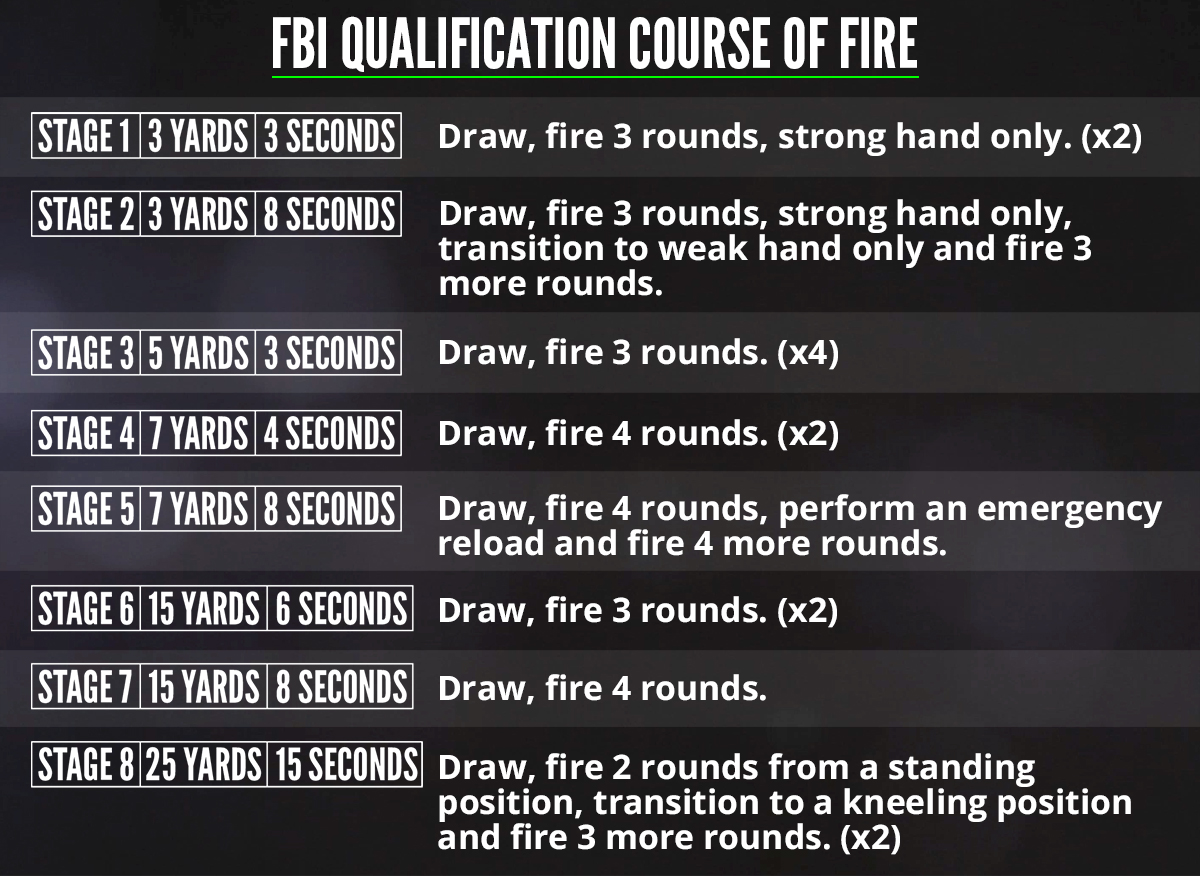
Skill Builder FBI Qualification Defensive Strategies, LLC

World Shoot XVIII Courses of Fire YouTube

3P Air Rifle Coaching Rules/Scoring
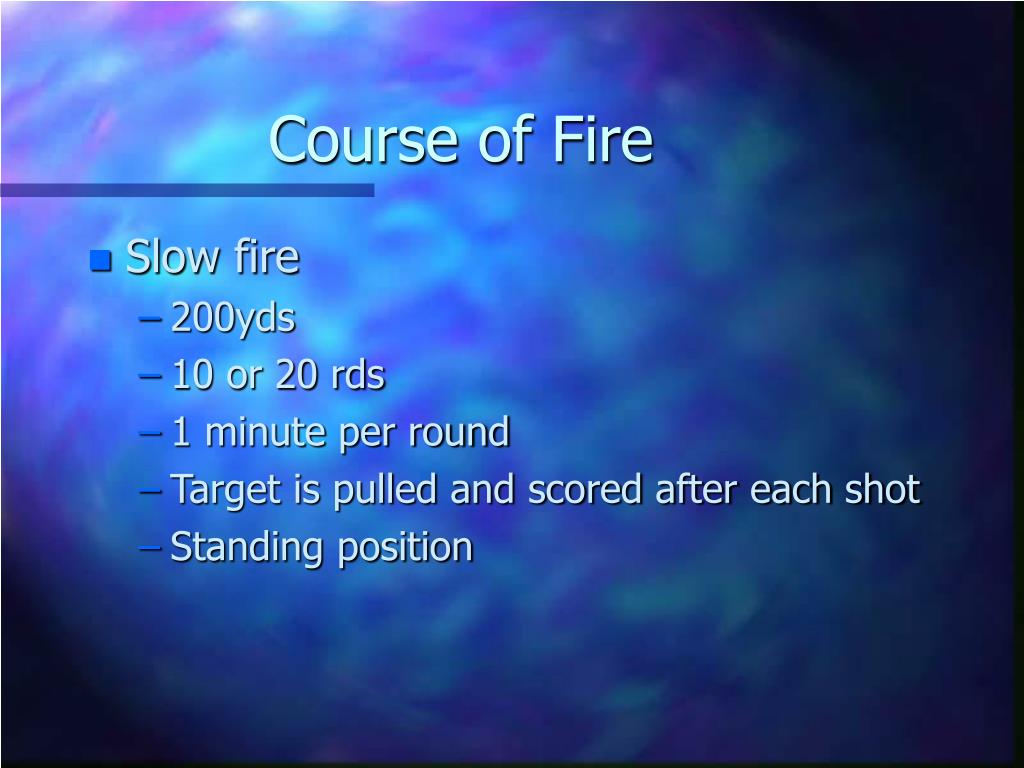
PPT Competitive Marksmanship PowerPoint Presentation, free download
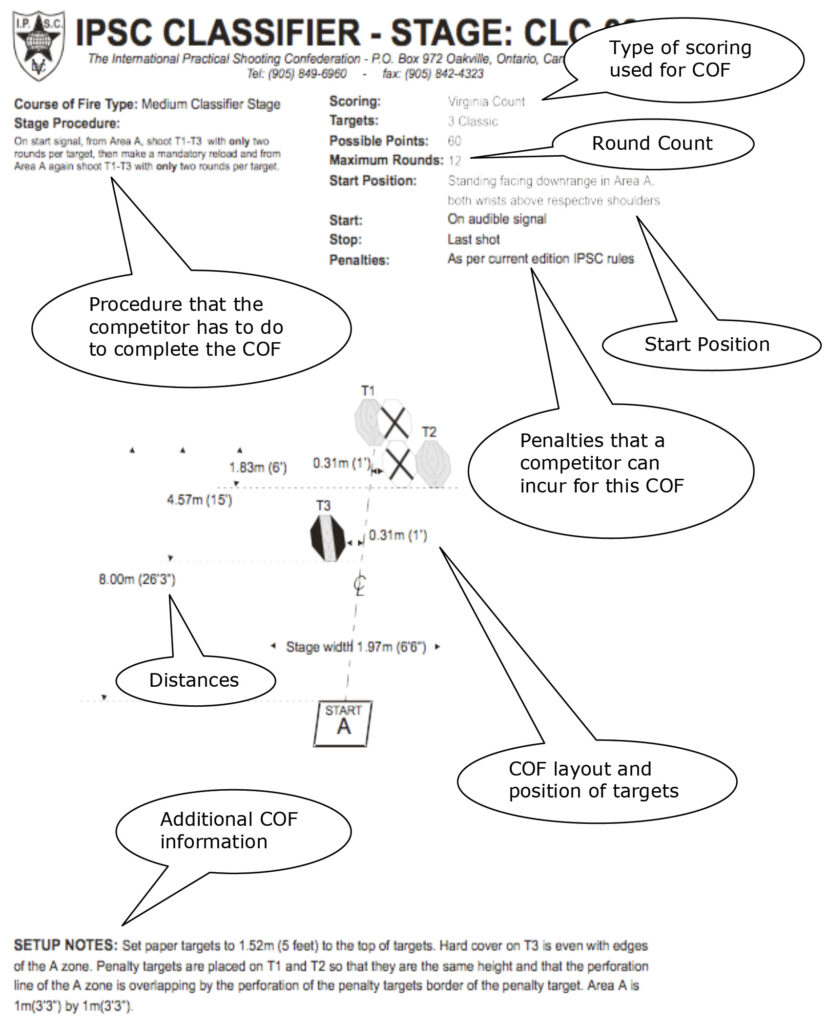
Course Of Fire (COF) Information IPSC Black Badge / ACC

Shooting the USMC Pistol Qualification Combat Pistol Program (CPP

Close Quarters Combat is a 28 Round Course of Fire USPSA Stage designed
When It Comes To Fire Response, Theory Has Its Limits.
Table One Training Objective Apply Basic Marksmanship Skills In A Live Fire Setting:
(Both Rifle And Body Supports Are.
“The Best Training Is The Training People Will Actually Do,” Gardner Emphasized.
Related Post: