
Crash Course Plate Tectonics
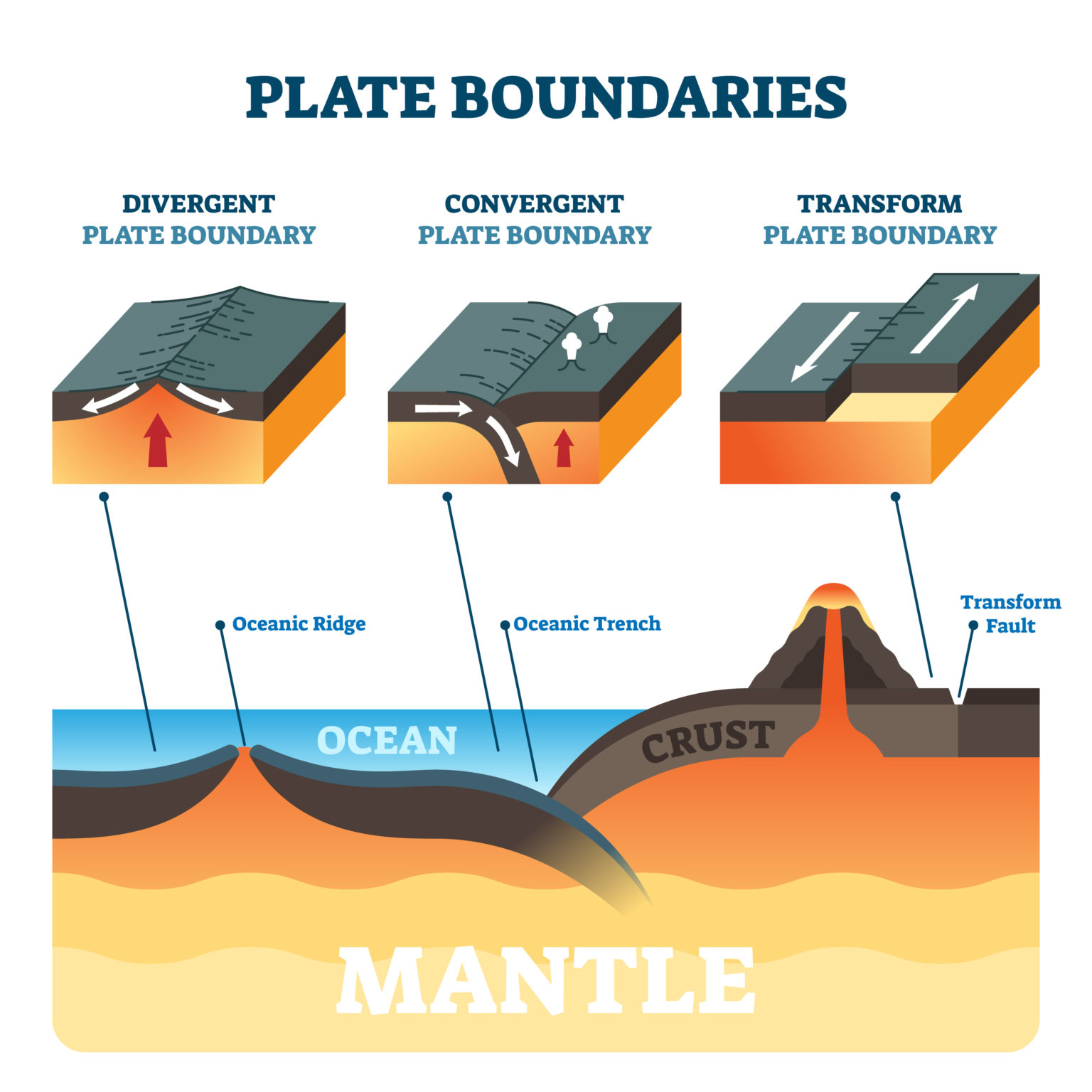
Crash Course Plate Tectonics - Welcome to crash course geography hosted by alizé carrère! It's time to get over pluto's planet demotion and learn more about the solar system, early earth, and plate tectonics. 🖐️ alfred wegener's theory of continental drift and the supercontinent pangaea laid the foundation for plate tectonics. Sudden violent shaking of the ground caused from a sudden movement of two tectonic plates Plate tectonics is the scientific theory that explains how the earth’s outer layer, called the lithosphere, is divided into large pieces called tectonic plates. The theory, which solidified in the 1960s, transformed the earth sciences by explaining many phenomena, including. 🍽️ the theory of plate tectonics revolutionized earth science in the 1960s, explaining the movement of lithospheric plates and geological phenomena. As the plates continue to move, stress builds up along the boundary, and when the stress exceeds the strength of the rocks, it is released in the form of an earthquake. The notes and questions for plate tectonic theory have been prepared according to the ugc net exam syllabus. To enrol in the gate course, please visit: The realisation in the 1960s that earth’s crust is made of fragments called plates—and that these plates can grow, shrink and move around. Welcome to crash course geography hosted by alizé carrère! This course with be split into two parts. 🖐️ alfred wegener's theory of continental drift and the supercontinent pangaea laid the foundation for plate tectonics. Plate tectonics cause earthquakes when two plates come into contact and their edges get stuck. As the plates continue to move, stress builds up along the boundary, and when the stress exceeds the strength of the rocks, it is released in the form of an earthquake. These plates are like giant puzzle pieces that move slowly over the earth’s surface. In today’s episode we’re going to take a closer look at. And it would take a group of scientists all over the world to get us this grand unifying theory of plate tectonics. This video explores the transformative development of the theory of plate tectonics, which explains the earth's structure and geological phenomena such as earthquakes and volcanic activity. Today we're going to tell the story of a quiet revolution in the 1960s that shifted our entire understanding of how the earth works. To enrol in the gate course, please visit: Use national geographic mapmaker to guide students through an analysis of earth’s tectonic plates, how they interact, and shape the location of physical features. Alfred wegener hypothesized that. It's time to get over pluto's planet demotion and learn more about the solar system, early earth, and plate tectonics. As the plates continue to move, stress builds up along the boundary, and when the stress exceeds the strength of the rocks, it is released in the form of an earthquake. Today we're going to tell the story of a. Crash course on plate tectonics by wendy zheng & khalilah taylor *any clips & music used in the video are not owned by us and are cited at the end of the video* These plates are like giant puzzle pieces that move slowly over the earth’s surface. The realisation in the 1960s that earth’s crust is made of fragments called. Today we're going to tell the story of a quiet revolution in the 1960s that shifted our entire understanding of how the earth works. Plate motion is detected by satellites like the european sentinel series which record changes in earth 's surface down to the millimeter. Use national geographic mapmaker to guide students through an analysis of earth’s tectonic plates,. It's time to get over pluto's planet demotion and learn more about the solar system, early earth, and plate tectonics. Today in 2021, we continue to explore plate tectonics. In the first half, we will focus on physical geography or the processes and phenomena of the physical world both above and below the earth's surface. These plates are like giant. Use national geographic mapmaker to guide students through an analysis of earth’s tectonic plates, how they interact, and shape the location of physical features. The realisation in the 1960s that earth’s crust is made of fragments called plates—and that these plates can grow, shrink and move around. In the first half, we will focus on physical geography or the processes. This course with be split into two parts. In the first half, we will focus on physical geography or the processes and phenomena of the physical world both above and below the earth's surface. Crash course on plate tectonics by wendy zheng & khalilah taylor *any clips & music used in the video are not owned by us and are. Sudden violent shaking of the ground caused from a sudden movement of two tectonic plates P late tectonics is geology’s theory of everything. The realisation in the 1960s that earth’s crust is made of fragments called plates—and that these plates can grow, shrink and move around. Alizé carrère narrates the scientific evolution, from alfred wegener's hypothesis to the discovery of. Alizé carrère narrates the scientific evolution, from alfred wegener's hypothesis to the discovery of seafloor spreading and magnetic evidence, culminating in the recognition of tectonic plates' movement and their role in shaping earth's landscapes and. 🖐️ alfred wegener's theory of continental drift and the supercontinent pangaea laid the foundation for plate tectonics. It's time to get over pluto's planet demotion. Only students who have enrolled for the crash course can attend the plate tectonics course. 🍽️ the theory of plate tectonics revolutionized earth science in the 1960s, explaining the movement of lithospheric plates and geological phenomena. This course with be split into two parts. Welcome to crash course geography hosted by alizé carrère! And it would take a group of. Plate tectonics cause earthquakes when two plates come into contact and their edges get stuck. Alizé carrère narrates the scientific evolution, from alfred wegener's hypothesis to the discovery of seafloor spreading and magnetic evidence, culminating in the recognition of tectonic plates' movement and their role in shaping earth's landscapes and. The realisation in the 1960s that earth’s crust is made of fragments called plates—and that these plates can grow, shrink and move around. Plate tectonics is the scientific theory that explains how the earth’s outer layer, called the lithosphere, is divided into large pieces called tectonic plates. Explore the boundaries between earth's tectonic plates with mapmaker, national geographic's classroom interactive mapping tool. Sudden violent shaking of the ground caused from a sudden movement of two tectonic plates Plate motion is detected by satellites like the european sentinel series which record changes in earth 's surface down to the millimeter. Use national geographic mapmaker to guide students through an analysis of earth’s tectonic plates, how they interact, and shape the location of physical features. To enrol in the gate course, please visit: Plate tectonics is a scientific theory that explains how major landforms are created as a result of earth’s subterranean movements. Plate tectonic theory for ugc net 2025 is part of crash course for ugc net geography preparation. Today we're going to tell the story of a quiet revolution in the 1960s that shifted our entire understanding of how the earth works. Alfred wegener hypothesized that approximately 225 to 300 million years ago, the earth's land was a single supercontinent called pangaea, meaning all earth in greek and that the present surface of the earth is due to continental drift or plate tectonics. Cliffs and canyons, beaches and dunes, floodplains and river valleys, plateaus and mountains — these are all products of a restless earth. These plates are like giant puzzle pieces that move slowly over the earth’s surface. 🖐️ alfred wegener's theory of continental drift and the supercontinent pangaea laid the foundation for plate tectonics.
Are you teaching plate tectonics to your middle or high school students

Lecture 05 Plate Tectonic Theory Geography Crash course for UPSC

Crash Course Geography Worksheet The Plate Tectonic Revolution Ep 19

Tectonic Plate Movemtn Process Diagram Constructive Plate Bo

The Plate Tectonics Revolution Crash Course Geography 19 YouTube
Make an underwater volcano

Crash Course Geography Worksheet The Plate Tectonic Revolution Ep 19

Crash Course Geography Worksheet The Plate Tectonic Revolution Ep 19

Crash Course Geography Worksheet The Plate Tectonic Revolution Ep 19

A Crash Course On Plate Tectonics YouTube
As The Plates Continue To Move, Stress Builds Up Along The Boundary, And When The Stress Exceeds The Strength Of The Rocks, It Is Released In The Form Of An Earthquake.
The Theory, Which Solidified In The 1960S, Transformed The Earth Sciences By Explaining Many Phenomena, Including.
In The First Half, We Will Focus On Physical Geography Or The Processes And Phenomena Of The Physical World Both Above And Below The Earth’s Surface.
Today We're Going To Tell The.
Related Post: