
Golf Course Chemicals
Golf Course Chemicals - Clesens is a distributor of fertilizers, pesticides, grass seed, irrigation and ice melt to golf courses, athletic fields, lawn care operators and landscape contractors. Chemicals products for golf courses. G olf courses cannot exist without water. Firstly, reducing exposure helps minimize harm. These applicators are trained in the safe. If we sell it, it worksno guessing on chemicalsright products best price To address these concerns, several proactive measures are essential. The grass’ condition on a golf course, regardless of a player’s skill, can drastically skew the chances of a winning putt. Golf courses themselves can use procedures that reduce chemical exposure to golfers. Ideally, rainfall would provide what golf courses need but, even in wetter climates, rain rarely falls in the amount or frequency. Firstly, reducing exposure helps minimize harm. Now, scientists can slow the roll of a golf ball on a. Courses should leave chemically treated portions of the course closed for a. Golf courses employ licensed pesticide applicators that are required to pass state administered exams and complete continuing education each year. Follow the leaderboard and watch top golfers compete at bolingbrook golf club. These applicators are trained in the safe. G olf courses cannot exist without water. Not only does proper chemical handling protect people, but it also safeguards the environment from harmful pollution caused by hazardous golf course chemicals. Golf courses themselves can use procedures that reduce chemical exposure to golfers. Whether your crew is working with those chemicals. Chemicals products for golf courses. Read more to find out how you can protect your golf course. Firstly, reducing exposure helps minimize harm. Golf courses themselves can use procedures that reduce chemical exposure to golfers. Major environmental health risks on golf courses include pesticides and other chemicals, mechanical equipment, sharp tools, and being struck by golf balls [duvall, 2001]. Since its founding in 1920, the green section has led the usga’s efforts to improve golf course playing conditions and sustainability through research, education, course. One effective strategy is to create a buffer zone between. Ideally, rainfall would provide what golf courses need but, even in wetter climates, rain rarely falls in the amount or frequency. Using a sample of. Not only does proper chemical handling protect people, but it also safeguards the environment from harmful pollution caused by hazardous golf course chemicals. Golf course facilities store potentially hazardous chemicals such as pesticides, fertilizers, herbicides and fungicides. The mwrd produces approximately 150,000 tons of biosolids per year and all mwrd biosolids are used as soil amendments on, e.g., farmland, and,. H&k insurance explains why your golf course needs herbicide, pesticide, and pollution liability. Using a sample of 22 golf courses, researchers quantified pesticide risk levels on various course components and explored the most effective strategies for reducing them. To address these concerns, several proactive measures are essential. Clesens is a distributor of fertilizers, pesticides, grass seed, irrigation and ice melt. Major environmental health risks on golf courses include pesticides and other chemicals, mechanical equipment, sharp tools, and being struck by golf balls [duvall, 2001]. Since its founding in 1920, the green section has led the usga’s efforts to improve golf course playing conditions and sustainability through research, education, course. Chemicals products for golf courses. Golf course facilities store potentially hazardous. Clesens is a distributor of fertilizers, pesticides, grass seed, irrigation and ice melt to golf courses, athletic fields, lawn care operators and landscape contractors. Follow the leaderboard and watch top golfers compete at bolingbrook golf club. As individuals living near golf courses, there are steps we can take to minimize our exposure to harmful chemicals. Golf courses themselves can use. As individuals living near golf courses, there are steps we can take to minimize our exposure to harmful chemicals. Golf course facilities store potentially hazardous chemicals such as pesticides, fertilizers, herbicides and fungicides. Whether your crew is working with those chemicals. Using a sample of 22 golf courses, researchers quantified pesticide risk levels on various course components and explored the. G olf courses cannot exist without water. Follow the leaderboard and watch top golfers compete at bolingbrook golf club. As individuals living near golf courses, there are steps we can take to minimize our exposure to harmful chemicals. If we sell it, it worksno guessing on chemicalsright products best price Ideally, rainfall would provide what golf courses need but, even. Using a sample of 22 golf courses, researchers quantified pesticide risk levels on various course components and explored the most effective strategies for reducing them. Many products in catalog are for sale to, and used only by certified applicators or persons under their direct supervision and only for those covered by. G olf courses cannot exist without water. Ideally, rainfall. These applicators are trained in the safe. H&k insurance explains why your golf course needs herbicide, pesticide, and pollution liability. The mwrd produces approximately 150,000 tons of biosolids per year and all mwrd biosolids are used as soil amendments on, e.g., farmland, and, in the chicago area, golf courses, parks. Using a sample of 22 golf courses, researchers quantified pesticide. The grass’ condition on a golf course, regardless of a player’s skill, can drastically skew the chances of a winning putt. Not only does proper chemical handling protect people, but it also safeguards the environment from harmful pollution caused by hazardous golf course chemicals. The mwrd produces approximately 150,000 tons of biosolids per year and all mwrd biosolids are used as soil amendments on, e.g., farmland, and, in the chicago area, golf courses, parks. These applicators are trained in the safe. One effective strategy is to create a buffer zone between. Golf courses themselves can use procedures that reduce chemical exposure to golfers. If we sell it, it worksno guessing on chemicalsright products best price As individuals living near golf courses, there are steps we can take to minimize our exposure to harmful chemicals. Whether your crew is working with those chemicals. Now, scientists can slow the roll of a golf ball on a. Major environmental health risks on golf courses include pesticides and other chemicals, mechanical equipment, sharp tools, and being struck by golf balls [duvall, 2001]. G olf courses cannot exist without water. Firstly, reducing exposure helps minimize harm. Golf courses employ licensed pesticide applicators that are required to pass state administered exams and complete continuing education each year. Clesens is a distributor of fertilizers, pesticides, grass seed, irrigation and ice melt to golf courses, athletic fields, lawn care operators and landscape contractors. Courses should leave chemically treated portions of the course closed for a.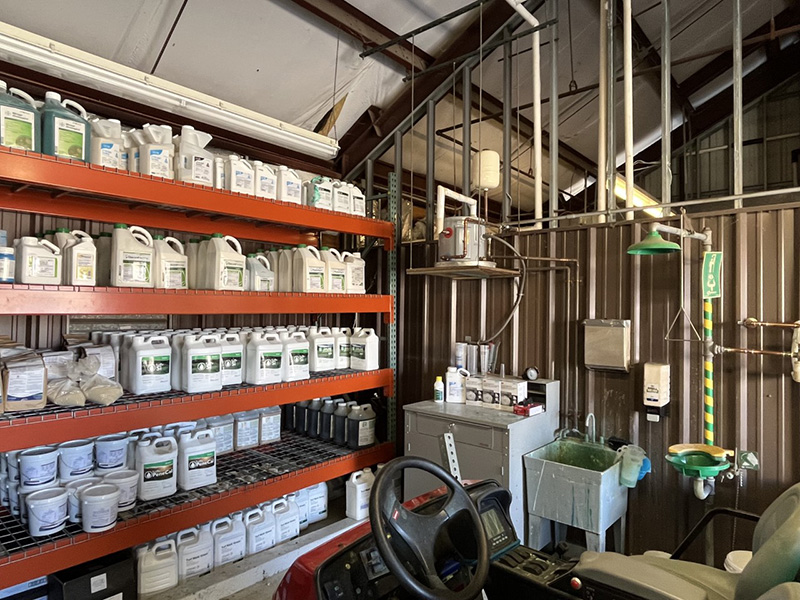
Five tips for chemical safety on the golf course
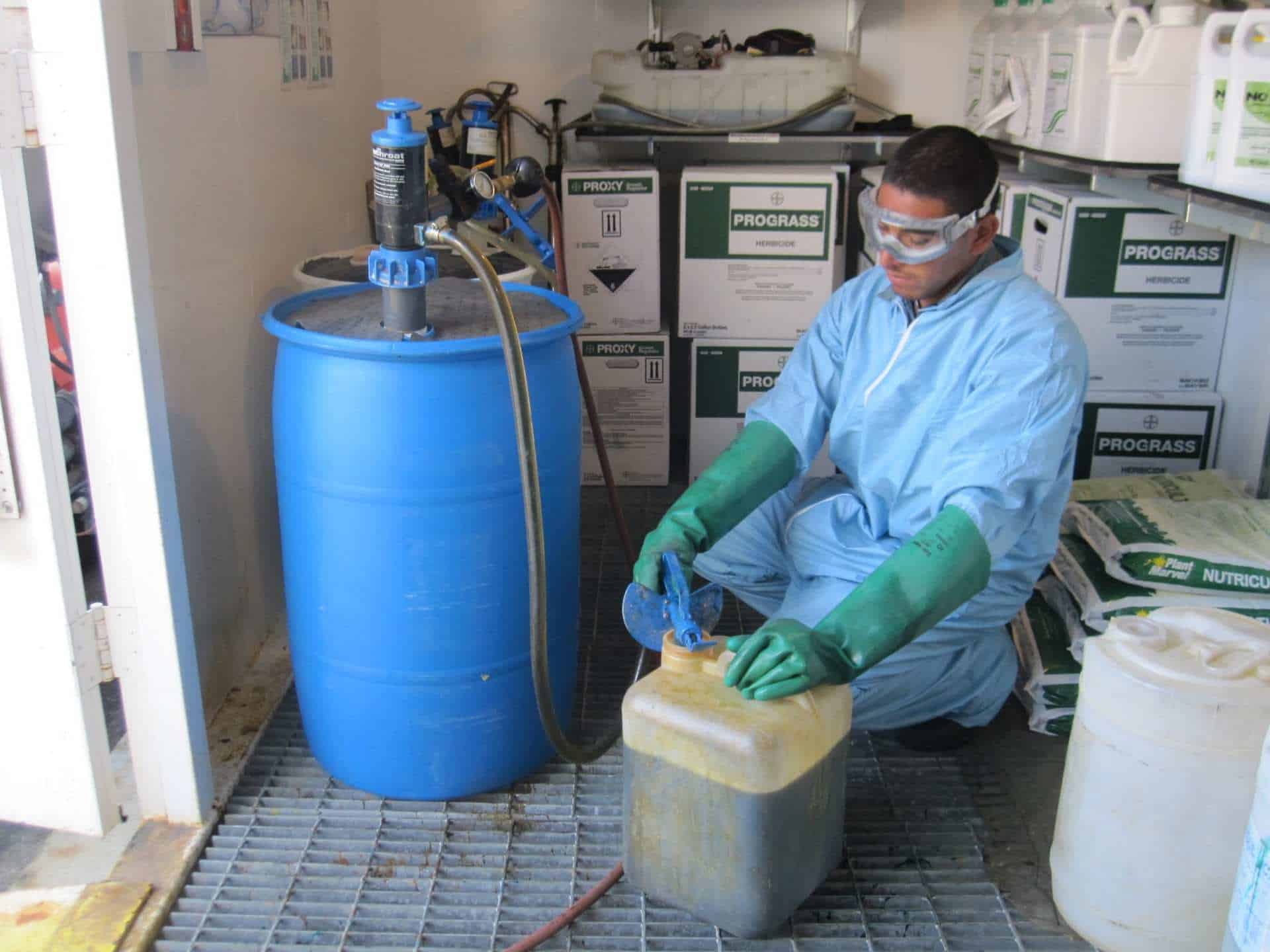
Golf Course Safer Chemical Handling GoatThroat Pumps
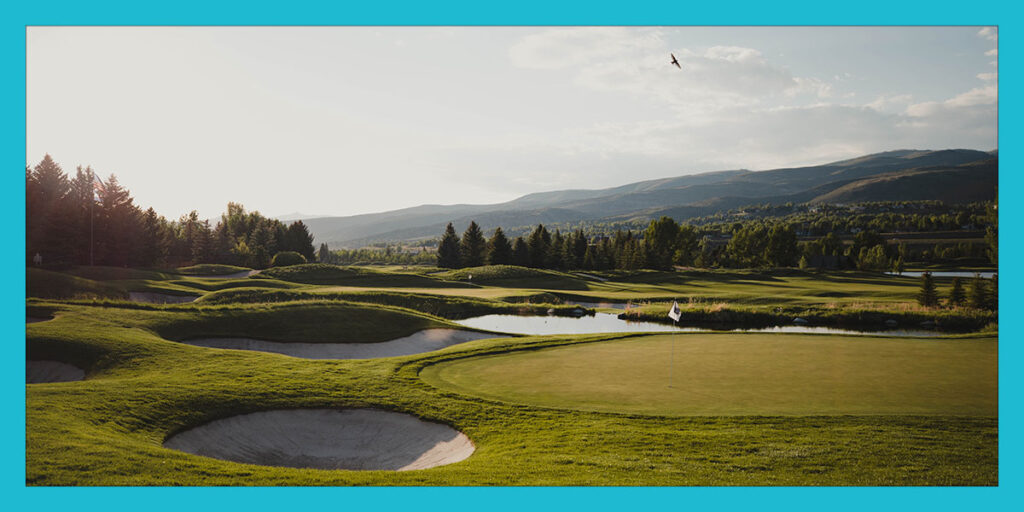
Guide to Chemical Safety on the Golf Course ESD Waste2Water

Golf Course Business Chemical Storage and Mix/Load Facilities, What
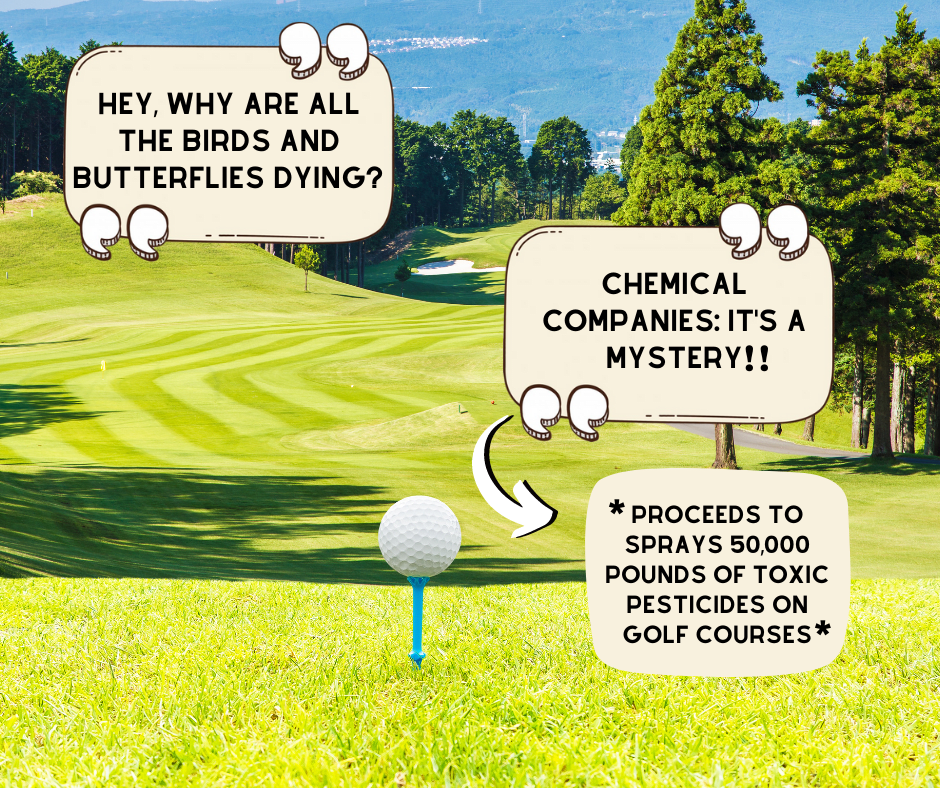
Six Ways Golf Courses Hurt the Environment Take Action
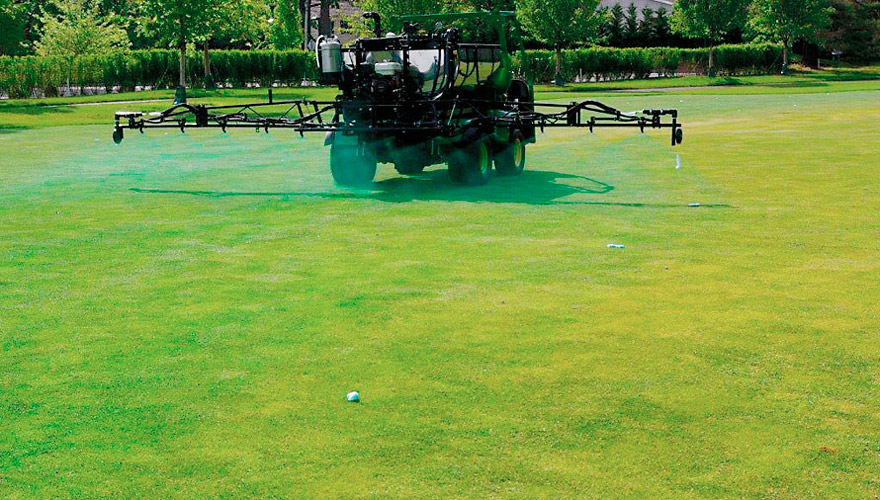
Pesticide Management West Virginia Golf Course Superintendents

A Comprehensive Guide to Chemical Safety on the Golf Course Aquaritin
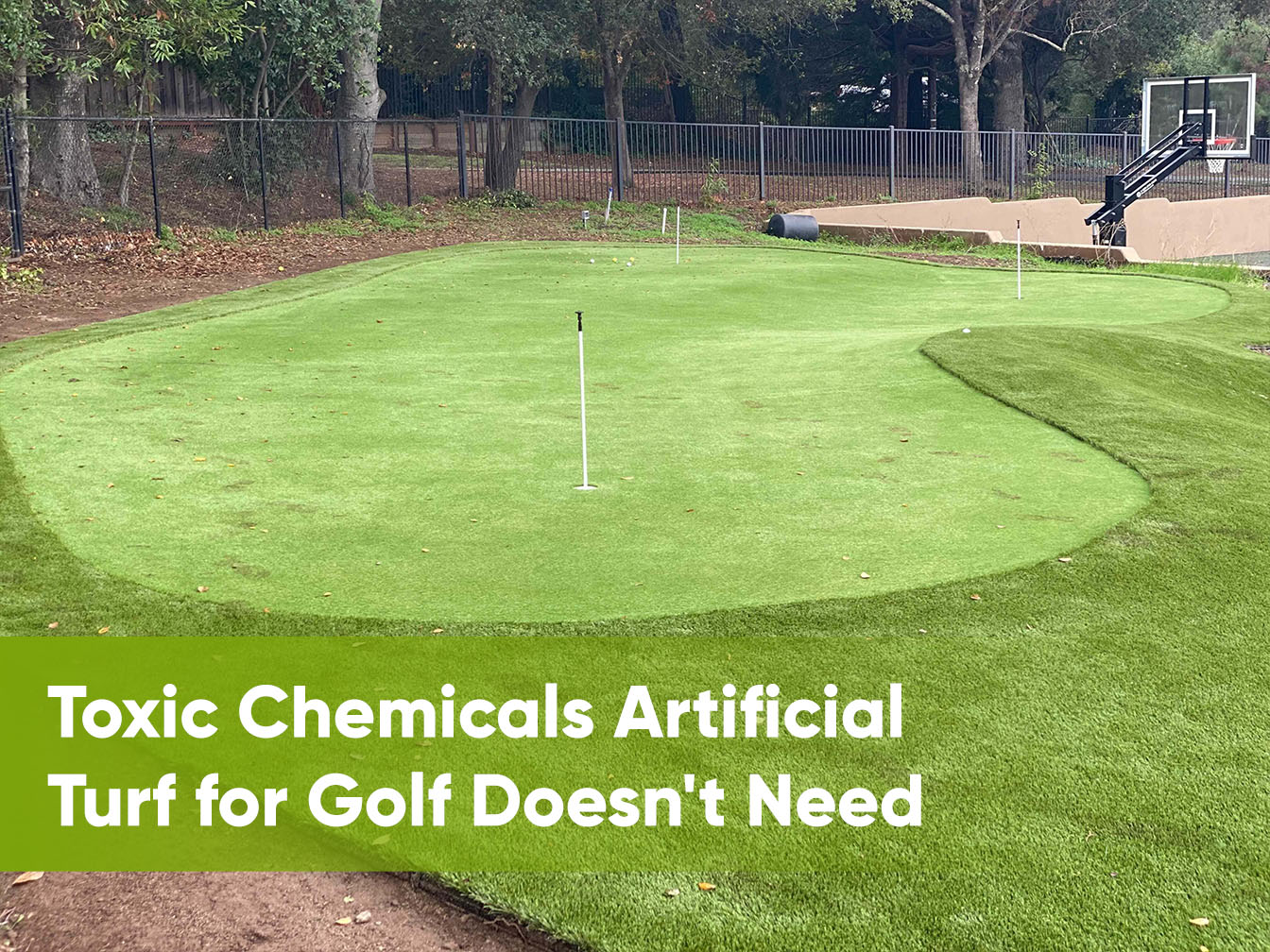
You Never Have to Use These Toxins with Chicago Artificial Turf for

Spraying Liquid Fertilizer On A Golf Course Stock Photo Download

Nutrient And Pesticide Fate On The Golf Course
Since Its Founding In 1920, The Green Section Has Led The Usga’s Efforts To Improve Golf Course Playing Conditions And Sustainability Through Research, Education, Course.
H&K Insurance Explains Why Your Golf Course Needs Herbicide, Pesticide, And Pollution Liability.
Read More To Find Out How You Can Protect Your Golf Course.
Golf Course Facilities Store Potentially Hazardous Chemicals Such As Pesticides, Fertilizers, Herbicides And Fungicides.
Related Post: