
Normal Course Of Business
Normal Course Of Business - It is also known as the ordinary course of business, regular. Normal course of business means those acts which are engaged in by a business firm with a view 3121 toward winning financial gain, or those acts which are performed by a business firm in. Commercial paper is said to be transferred, or sales alleged to have been fraudulent may be. Dng) (“dynacor” or the “corporation”) announced its monthly dividend payment for may 2025 in the amount of. Regular course of business refers to the normal routine in managing a trade or business. Means all activities that are necessary, normal or incidental to the business of the company and are permitted by objects of the company. It helps determine whether certain transactions or behaviors are normal for a. It is used in various legal contexts, such as. Find out what activities are considered normal for a specific business and how they. Conducting business in a consistent. Dng) (“dynacor” or the “corporation”) announced its monthly dividend payment for may 2025 in the amount of. The course of business refers to the normal routine or standard practices involved in managing a trade or business. It is used in various legal contexts, such as bankruptcy, tax, antitrust, corporate, and. Ordinary course of business is a legal term that has its roots in the uniform commercial code (ucc) as it pertains to commercial transactions. Learn the legal definition and usage of the term ordinary course of business (ocb) in united states law. In simple terms, it refers to the usual and. Normal course of business means those acts which are engaged in by a business firm with a view toward winning financial gain, or those acts which are performed by a business firm in the conduct of the business firm as a business. Ocb covers the usual transactions, customs and practices of a certain business. Understanding what constitutes the ordinary course of business is crucial in various legal and financial contexts, including contracts, mergers and acquisitions, and bankruptcy proceedings. It is also known as ordinary course of business or regular course. The course of business refers to the normal routine or standard practices involved in managing a trade or business. Ordinary course of business is a legal term that has its roots in the uniform commercial code (ucc) as it pertains to commercial transactions. Means all activities that are necessary, normal or incidental to the business of the company and are. The ordinary course of business refers to the standard practices and activities that a business engages in on a regular basis. Dng) (“dynacor” or the “corporation”) announced its monthly dividend payment for may 2025 in the amount of. This article focuses on the ordinary course of business (“ocb”) defense contained in section 547(c)(2) of the bankruptcy code, and the new. (1) a transaction that is usual and customary in the business in question on terms that are not preferential; It helps determine whether certain transactions or behaviors are normal for a. Ordinary course of business is a legal term that has its roots in the uniform commercial code (ucc) as it pertains to commercial transactions. It is used in various. In legal terms, ordinary course of business describes actions that are typical and expected for a business. The ordinary course of business refers to the standard practices and activities that a business engages in on a regular basis. It is also known as ordinary course of business or regular course. Conducting business in a consistent. Learn the meaning and usage. Learn the legal definition and usage of the term ordinary course of business (ocb) in united states law. Study on your scheduleaffordable tuition ratestake classes from home The course of business refers to the normal routine or standard practices involved in managing a trade or business. This article focuses on the ordinary course of business (“ocb”) defense contained in section. Ordinary course of business is a legal term that has its roots in the uniform commercial code (ucc) as it pertains to commercial transactions. The meaning of ordinary course of business is the usual manner and range of a business especially considered in relation to the amount, circumstances, and. It is used in various legal contexts, such as. Ordinary course. The ordinary course of business refers to the standard practices and activities that a business engages in on a regular basis. It is also known as ordinary course of business or regular course. Regular course of business refers to the normal routine in managing a trade or business. Ocb covers the usual transactions, customs and practices of a certain business.. The course of business refers to the normal routine or standard practices involved in managing a trade or business. It is also known as the ordinary course of business, regular. It is also known as ordinary course of business or regular course. Define normal/ordinary course of business. Learn the meaning and usage of the term ordinary course of business in. Define normal/ordinary course of business. It helps determine whether certain transactions or behaviors are normal for a. It is used in various legal contexts, such as bankruptcy, tax, antitrust, corporate, and. (1) a transaction that is usual and customary in the business in question on terms that are not preferential; Study on your scheduleaffordable tuition ratestake classes from home Understanding what constitutes the ordinary course of business is crucial in various legal and financial contexts, including contracts, mergers and acquisitions, and bankruptcy proceedings. Ocb covers the usual transactions, customs and practices of a certain business. It is used in various legal contexts, such as bankruptcy, tax, antitrust, corporate, and. The ordinary course of business refers to the standard practices. Learn the legal definition and usage of the term ordinary course of business (ocb) in united states law. Understanding the “ordinary course of business” is crucial in legal contexts, as it evaluates whether actions align with standard industry practices. Normal course of business, a concept commonly used in legal and business contexts, refers to the customary and regular operations of an entity. Commercial paper is said to be transferred, or sales alleged to have been fraudulent may be. Ocb covers the usual transactions, customs and practices of a certain business. Means all activities that are necessary, normal or incidental to the business of the company and are permitted by objects of the company. Define normal/ordinary course of business. It helps determine whether certain transactions or behaviors are normal for a. Normal course of business means those acts which are engaged in by a business firm with a view 3121 toward winning financial gain, or those acts which are performed by a business firm in. Learn the meaning and usage of the term ordinary course of business in merger and acquisitions contracts. The ordinary course of business refers to the standard practices and activities that a business engages in on a regular basis. Find the legal definition of course of business from black's law dictionary, 2nd edition. The course of business refers to the normal routine or standard practices involved in managing a trade or business. Ordinary course of business is a legal term that has its roots in the uniform commercial code (ucc) as it pertains to commercial transactions. (1) a transaction that is usual and customary in the business in question on terms that are not preferential; It is used in various legal contexts, such as.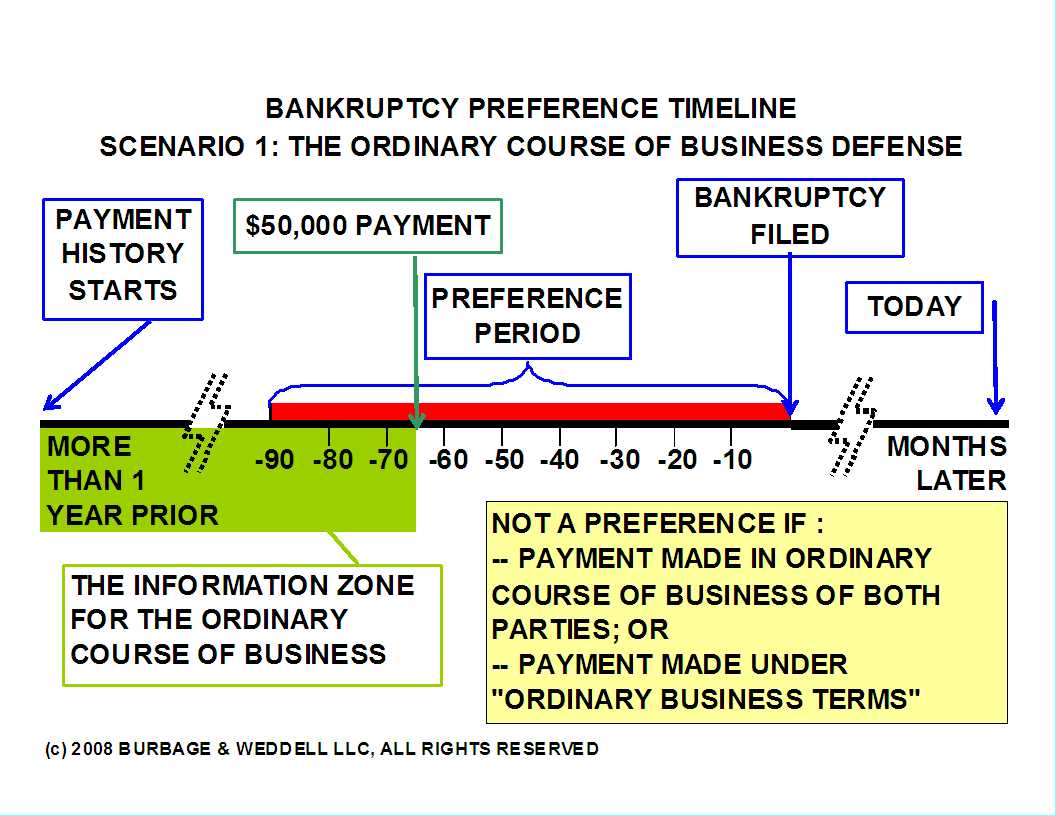
Assessing and Proving the Ordinary Course of Business Defense to a

RELATED PARTY TRANSACTIONS AND DEPOSITS ppt download

PPT Innovation, Technology, and Ordinary Course of Business
Ordinary Course Of Business Definition What Does Ordinary Course Of

Decoding “Ordinary Course of Business” in M&A Transactions
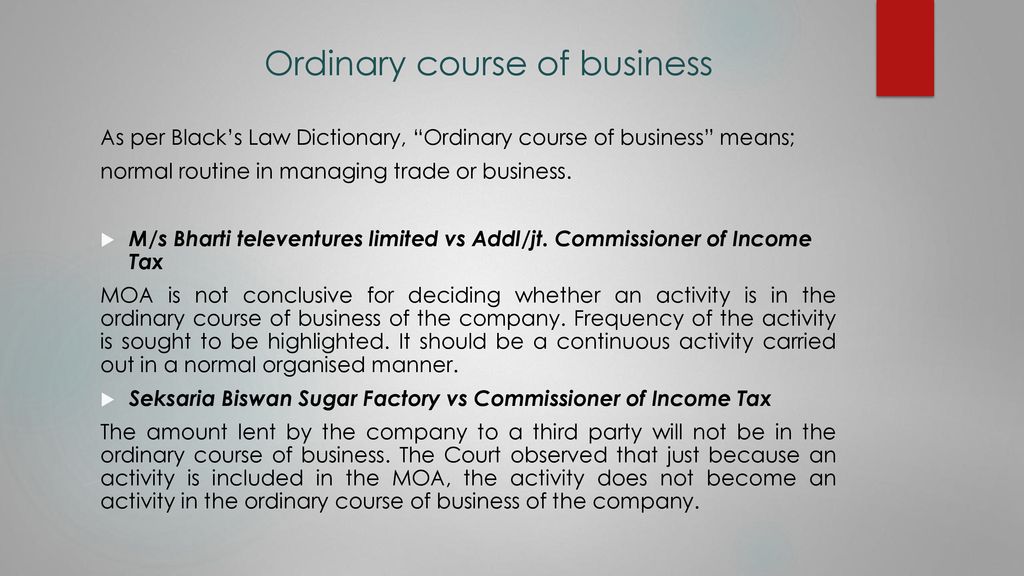
Related Party Transactions ppt download
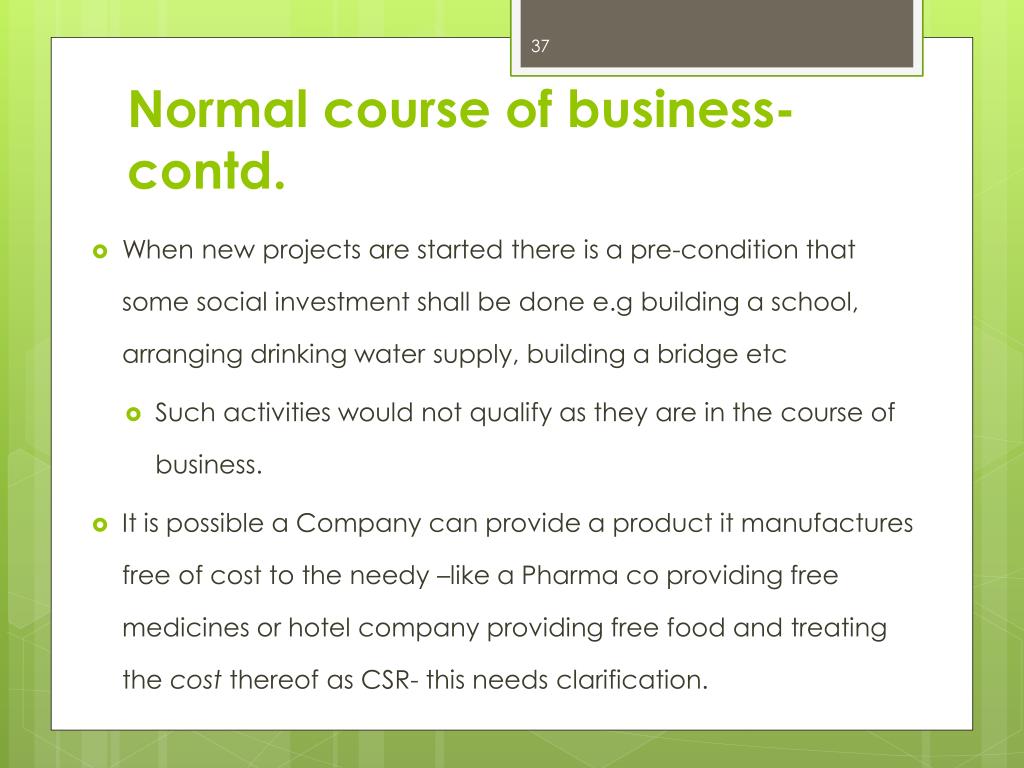
PPT Corporate Social Responsibility PowerPoint Presentation, free
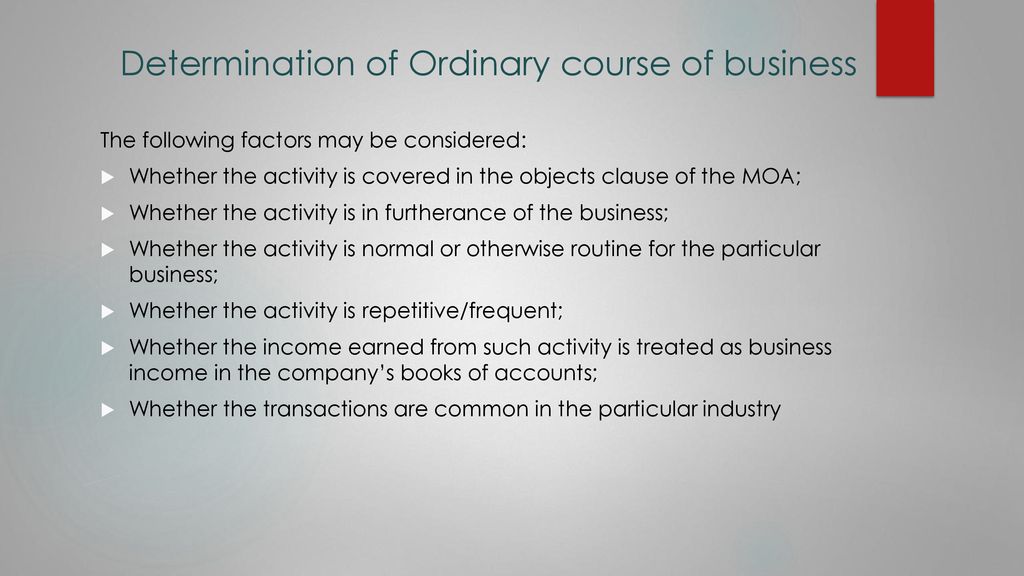
Related Party Transactions ppt download
CSR in Normal Course of Business An Analysis Corporate Professionals

Meaning of ordinary course of business under Companies Act, 2013
It Is Used In Various Legal Contexts, Such As Bankruptcy, Tax, Antitrust, Corporate, And.
In Simple Terms, It Refers To The Usual And.
Understanding What Constitutes The Ordinary Course Of Business Is Crucial In Various Legal And Financial Contexts, Including Contracts, Mergers And Acquisitions, And Bankruptcy Proceedings.
It Is Also Known As The Ordinary Course Of Business, Regular.
Related Post: