
Special Topics Course
Special Topics Course - Special topics courses an educational experience offered for credit on an experimental or trial basis. A special topics course can only be offered 3 times before it must either be approved. Use the special topics change of grading method form and submit directly to the office of undergraduate courses, curricula, and academic standards. The available course number range for st courses in all. Once approved by oucc they. Uic law is proud to introduce nine new special topic courses to it's curriculum, available beginning in spring 2025. While a trial course undergoes review at a faculty senate curriculum committee, a special topics course does not. A special topics course is one which has a consistent disciplinary framework and where the content of the course changes each time it is offered. A student can register for the course. All special topic courses are listed as law 594 in the. They cover topics of temporal or special interest which will not be. This special topics module discusses hospital transitions for medicare beneficiaries. Not all courses are offered each semester. Use the special topics change of grading method form and submit directly to the office of undergraduate courses, curricula, and academic standards. A special topics course is one which has a consistent disciplinary framework and where the content of the course changes each time it is offered. The nci provides links to the seer (surveillance, epidemiology & end results) program. Once approved by oucc they. Special topics in substantive areas of epidemiology (including infectious disease, chronic disease, environmental/occupational,. Special topics courses may run for only two. A “special topics” course is defined as any course offered for credit in which the subject matter or content may vary within specific sections across terms as indicated by that course’s title and description in course inventory. They provide an opportunity for students to take courses about. Introductory special topics in epidemiology. Not all courses are offered each semester. A “special topics” course is defined as any course offered for credit in which the subject matter or content may vary within specific sections across terms as indicated by that course’s title and description in course inventory. Once. Special topics courses are developed to cover emerging issues or specialized content not represented in the main curriculum. Special topics courses in psychology focus on specific issues in psychology that are not covered by existing regular courses. This special topics module discusses hospital transitions for medicare beneficiaries. In this course, attention will be given to topics such as student access,. They provide an opportunity for students to take courses about. All special topic courses are listed as law 594 in the. While a trial course undergoes review at a faculty senate curriculum committee, a special topics course does not. Through the module’s three courses, you will learn about the landscape that people with medicare and their. Special topics courses are. Special topics courses are developed to offer current topics or other specialized content not currently offered in the discipline. Special topics courses may run for only two. Provides a listing topics regarding diseases or statistics available on the cdc web site. In this course, students will explore historical and contemporary issues, analyzing the intersection of race and ethnicity with legal. An example of a special topics course is. In this course, attention will be given to topics such as student access, race and ethnicity, gender, socioeconomic status, religion, sexuality, sexual orientation, disability, military status,. Through the module’s three courses, you will learn about the landscape that people with medicare and their. Special topics courses are developed to offer current topics. Current breakthroughs in cancer, clinical advances in microbiology, the business of medicine, and other relevant topics in healthcare. A special topics course differs from a trial course in two main respects: Free career guidesboost your resumeno enrolment feesget certified & get hired This special topics module discusses hospital transitions for medicare beneficiaries. All courses are offered at 3.0 credit hours. The nci provides links to the seer (surveillance, epidemiology & end results) program. They provide an opportunity for students to take courses about. Special topics in substantive areas of epidemiology (including infectious disease, chronic disease, environmental/occupational,. Free career guidesboost your resumeno enrolment feesget certified & get hired Uic law is proud to introduce nine new special topic courses to it's. In this course, attention will be given to topics such as student access, race and ethnicity, gender, socioeconomic status, religion, sexuality, sexual orientation, disability, military status,. Use the special topics change of grading method form and submit directly to the office of undergraduate courses, curricula, and academic standards. All courses are offered at 3.0 credit hours and may fulfill various. Each student must complete one course from the following three special topics categories: They cover topics of temporal or special interest which will not be. These courses cover specialized topics and can be taken multiple times if the topics are different. A “special topics” course is defined as any course offered for credit in which the subject matter or content. Introductory special topics in epidemiology. While a trial course undergoes review at a faculty senate curriculum committee, a special topics course does not. If an exposed individual develops symptoms, they should notify their health care provider or a health care facility before going to a medical office or emergency department for evaluation to. Free career guidesboost your resumeno enrolment feesget. Uic law is proud to introduce nine new special topic courses to it's curriculum, available beginning in spring 2025. If an exposed individual develops symptoms, they should notify their health care provider or a health care facility before going to a medical office or emergency department for evaluation to. All courses are offered at 3.0 credit hours and may fulfill various requirements within the. While a trial course undergoes review at a faculty senate curriculum committee, a special topics course does not. Special topics courses are developed to offer current topics or other specialized content not currently offered in the discipline. Each student must complete one course from the following three special topics categories: The nci provides links to the seer (surveillance, epidemiology & end results) program. Once approved by oucc they. Special topics in substantive areas of epidemiology (including infectious disease, chronic disease, environmental/occupational,. The first part of the course introduces key frameworks for understanding policy design, focusing on how institutional structures, cognitive biases, and political constraints. Special topics courses are developed to cover emerging issues or specialized content not represented in the main curriculum. The available course number range for st courses in all. In this course, students will explore historical and contemporary issues, analyzing the intersection of race and ethnicity with legal and social understandings of citizenship. Special topics courses may run for only two. Use the special topics change of grading method form and submit directly to the office of undergraduate courses, curricula, and academic standards. Through the module’s three courses, you will learn about the landscape that people with medicare and their.
Course Spotlight Special Topics Course on Queer Indigenous Studies

Special Topics Course in Biology for Fall The University of North
Take a CoJMC special topics course this fall Announce University of

Table 1 from Development of a Special Topics Course on Civil

MBA Special Topics Course Descriptions Fall

to Mrs Wolf’s Special Topics class! Warm Up Find your name
Special Topics Courses Spring 2023 Announce University of Nebraska
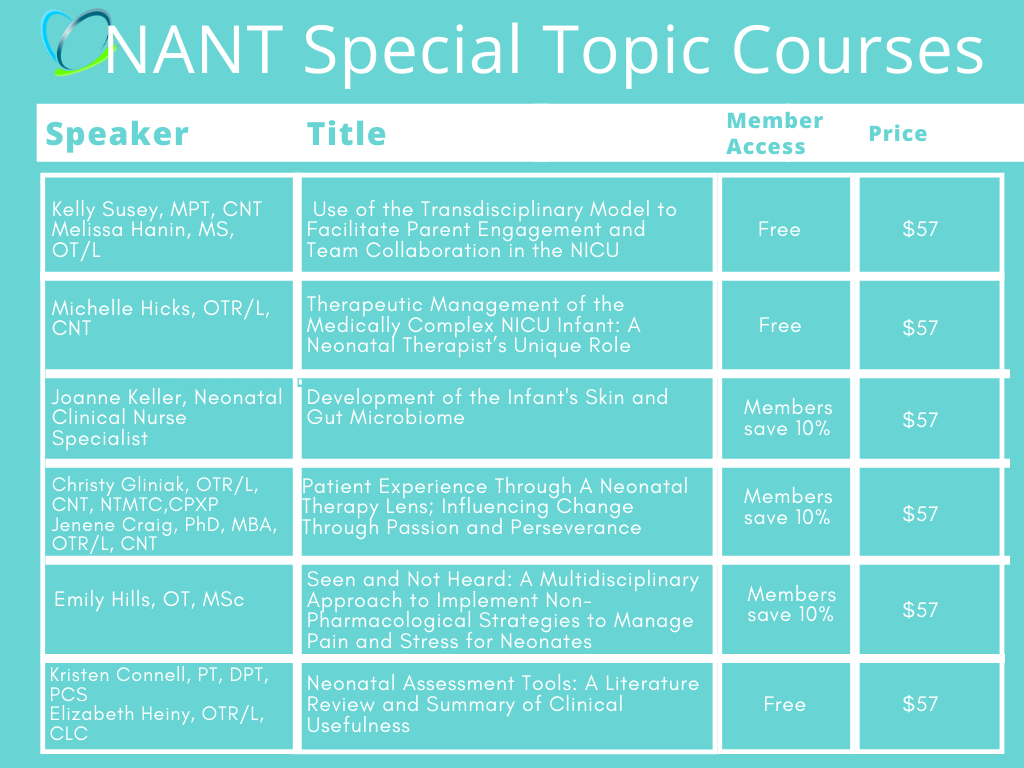
Six New 2020 Releases NANT Special Topic Courses National
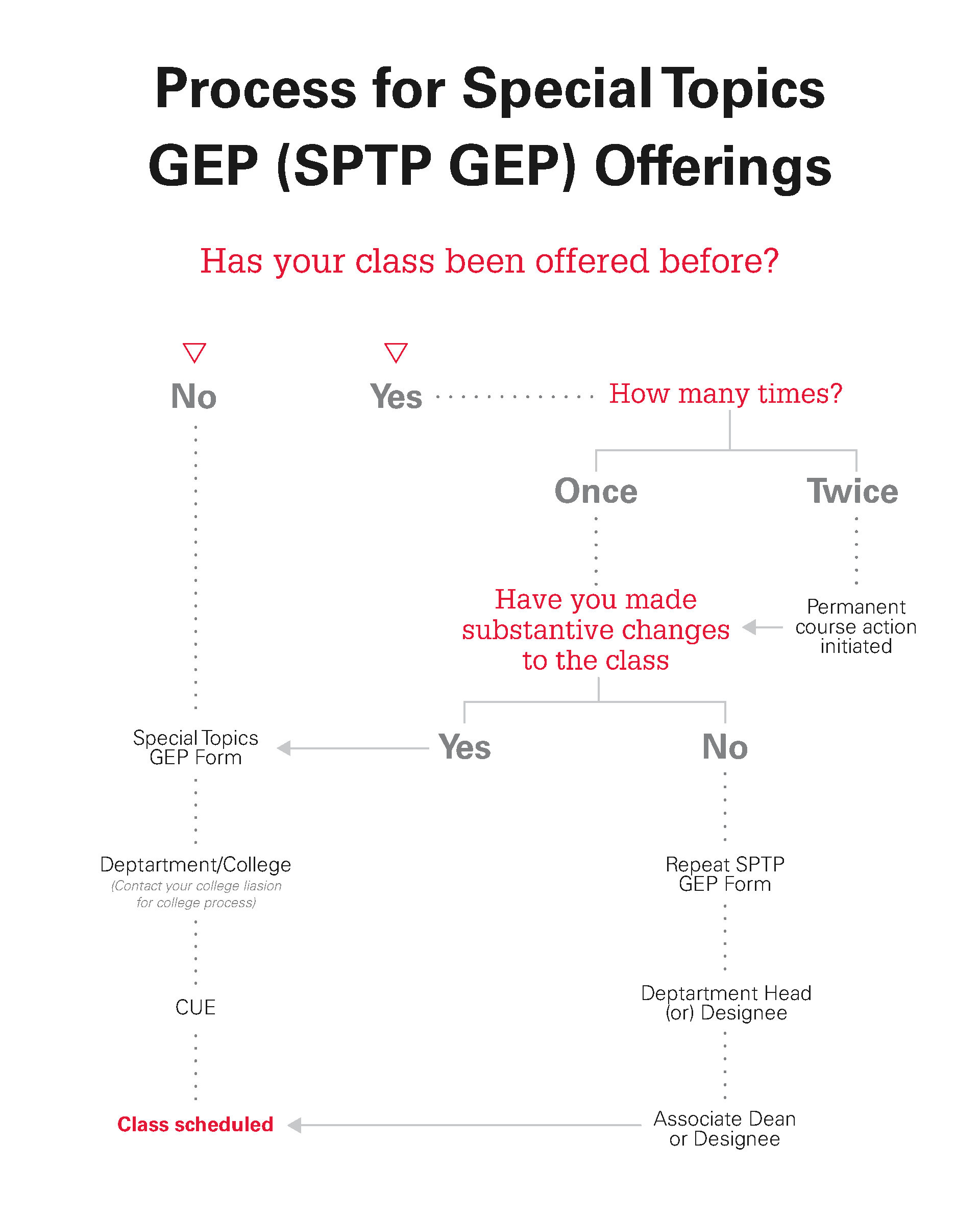
Specialized Courses Undergraduate Courses, Curricula, and Academic
Course Syllabus Special Topics PDF Learning Curriculum
All Special Topic Courses Are Listed As Law 594 In The.
A Special Topics Course Can Only Be Offered 3 Times Before It Must Either Be Approved.
A Special Topics Course Is One Which Has A Consistent Disciplinary Framework And Where The Content Of The Course Changes Each Time It Is Offered.
In This Course, Attention Will Be Given To Topics Such As Student Access, Race And Ethnicity, Gender, Socioeconomic Status, Religion, Sexuality, Sexual Orientation, Disability, Military Status,.
Related Post:
