
Thomas Cole Paintings Course Of Empire
Thomas Cole Paintings Course Of Empire - It is notable in part for reflecting popular american sentiments of the times, when many saw pastoralism as the ideal phase of human civilization, fearing that empire would lead to gluttony and inevitable decay. The consummation of empire is one of a sequence of five paintings entitled the course of empire commissioned by cole's patron luman reed, created between 1833 and 1836. America experienced a period of optimism in the 1830s. Starting in 1833 thomas cole spent 3 years creating the course of empire, a series of five paintings describing the arc of human culture from ‘savage wilderness’ through high civilization and its inevitable destruction. Withthe course of empire, thomas cole achieved what he described as a “higher style of landscape,” one suffused with historical associations, moralistic narrative, and what the artist felt were universal truths about mankind and his abiding relationship with the natural world. The greek doric temple contains pediment sculptures depicting a hunting scene like that in the savage state. Each painting in the series depicts the same landscape at a different stage of the rise and fall of an imaginary civilization. The series depicts the growth and fall of an imaginary city, situated on the lower end of a river valley, near its meeting with a bay of the sea. Withthe course of empire, thomas cole achieved what he described as a “higher style of landscape,” one suffused with historical associations, moralistic narrative, and what the artist felt were universal truths about mankind and his abiding relationship with the natural world. The consummation of empire is one of a sequence of five paintings entitled the course of empire commissioned by cole's patron luman reed, created between 1833 and 1836. It is notable in part for reflecting popular american sentiments of the times, when many saw pastoralism as the ideal phase of human civilization, fearing that empire would lead to gluttony and inevitable decay. Starting in 1833 thomas cole spent 3 years creating the course of empire, a series of five paintings describing the arc of human culture from ‘savage wilderness’ through high civilization and its inevitable destruction. Each painting in the series depicts the same landscape at a different stage of the rise and fall of an imaginary civilization. America experienced a period of optimism in the 1830s. The series depicts the growth and fall of an imaginary city, situated on the lower end of a river valley, near its meeting with a bay of the sea. The greek doric temple contains pediment sculptures depicting a hunting scene like that in the savage state. Each painting in the series depicts the same landscape at a different stage of the rise and fall of an imaginary civilization. Withthe course of empire, thomas cole achieved what he described as a “higher style of landscape,” one suffused with historical associations, moralistic narrative, and what the artist felt were universal truths about mankind and his abiding relationship with. Withthe course of empire, thomas cole achieved what he described as a “higher style of landscape,” one suffused with historical associations, moralistic narrative, and what the artist felt were universal truths about mankind and his abiding relationship with the natural world. The series depicts the growth and fall of an imaginary city, situated on the lower end of a river. It is notable in part for reflecting popular american sentiments of the times, when many saw pastoralism as the ideal phase of human civilization, fearing that empire would lead to gluttony and inevitable decay. Starting in 1833 thomas cole spent 3 years creating the course of empire, a series of five paintings describing the arc of human culture from ‘savage. The greek doric temple contains pediment sculptures depicting a hunting scene like that in the savage state. The series depicts the growth and fall of an imaginary city, situated on the lower end of a river valley, near its meeting with a bay of the sea. Starting in 1833 thomas cole spent 3 years creating the course of empire, a. America experienced a period of optimism in the 1830s. Withthe course of empire, thomas cole achieved what he described as a “higher style of landscape,” one suffused with historical associations, moralistic narrative, and what the artist felt were universal truths about mankind and his abiding relationship with the natural world. The greek doric temple contains pediment sculptures depicting a hunting. The series depicts the growth and fall of an imaginary city, situated on the lower end of a river valley, near its meeting with a bay of the sea. Each painting in the series depicts the same landscape at a different stage of the rise and fall of an imaginary civilization. The greek doric temple contains pediment sculptures depicting a. The series depicts the growth and fall of an imaginary city, situated on the lower end of a river valley, near its meeting with a bay of the sea. Each painting in the series depicts the same landscape at a different stage of the rise and fall of an imaginary civilization. Withthe course of empire, thomas cole achieved what he. Withthe course of empire, thomas cole achieved what he described as a “higher style of landscape,” one suffused with historical associations, moralistic narrative, and what the artist felt were universal truths about mankind and his abiding relationship with the natural world. The consummation of empire is one of a sequence of five paintings entitled the course of empire commissioned by. It is notable in part for reflecting popular american sentiments of the times, when many saw pastoralism as the ideal phase of human civilization, fearing that empire would lead to gluttony and inevitable decay. The consummation of empire is one of a sequence of five paintings entitled the course of empire commissioned by cole's patron luman reed, created between 1833. Starting in 1833 thomas cole spent 3 years creating the course of empire, a series of five paintings describing the arc of human culture from ‘savage wilderness’ through high civilization and its inevitable destruction. The greek doric temple contains pediment sculptures depicting a hunting scene like that in the savage state. The consummation of empire is one of a sequence. Each painting in the series depicts the same landscape at a different stage of the rise and fall of an imaginary civilization. The greek doric temple contains pediment sculptures depicting a hunting scene like that in the savage state. Withthe course of empire, thomas cole achieved what he described as a “higher style of landscape,” one suffused with historical associations, moralistic narrative, and what the artist felt were universal truths about mankind and his abiding relationship with the natural world. America experienced a period of optimism in the 1830s. It is notable in part for reflecting popular american sentiments of the times, when many saw pastoralism as the ideal phase of human civilization, fearing that empire would lead to gluttony and inevitable decay. The consummation of empire is one of a sequence of five paintings entitled the course of empire commissioned by cole's patron luman reed, created between 1833 and 1836.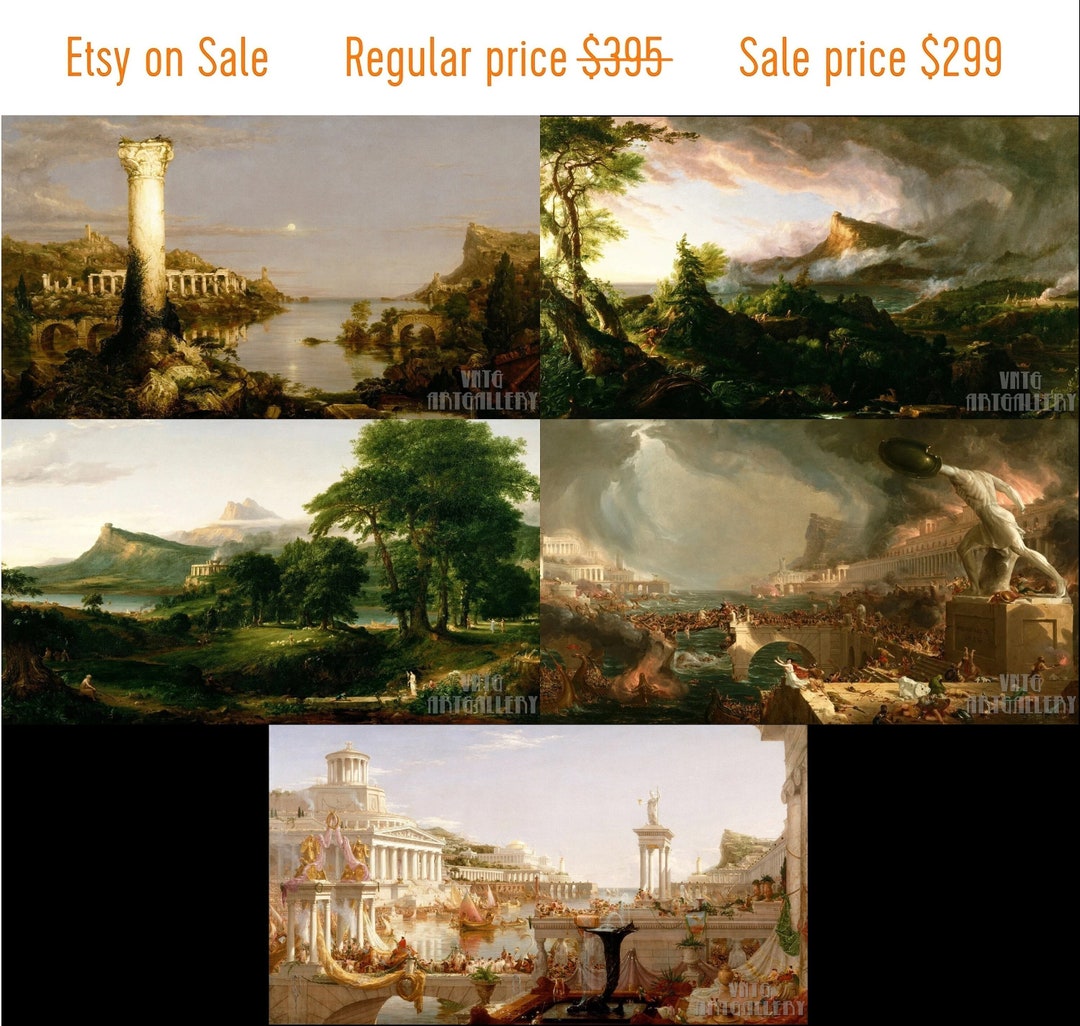
Thomas Cole the Course of the Empire 1836 COMPLETE SET Etsy

TMP Thomas Cole The Course of Empire Complete Set 5 Art Prints
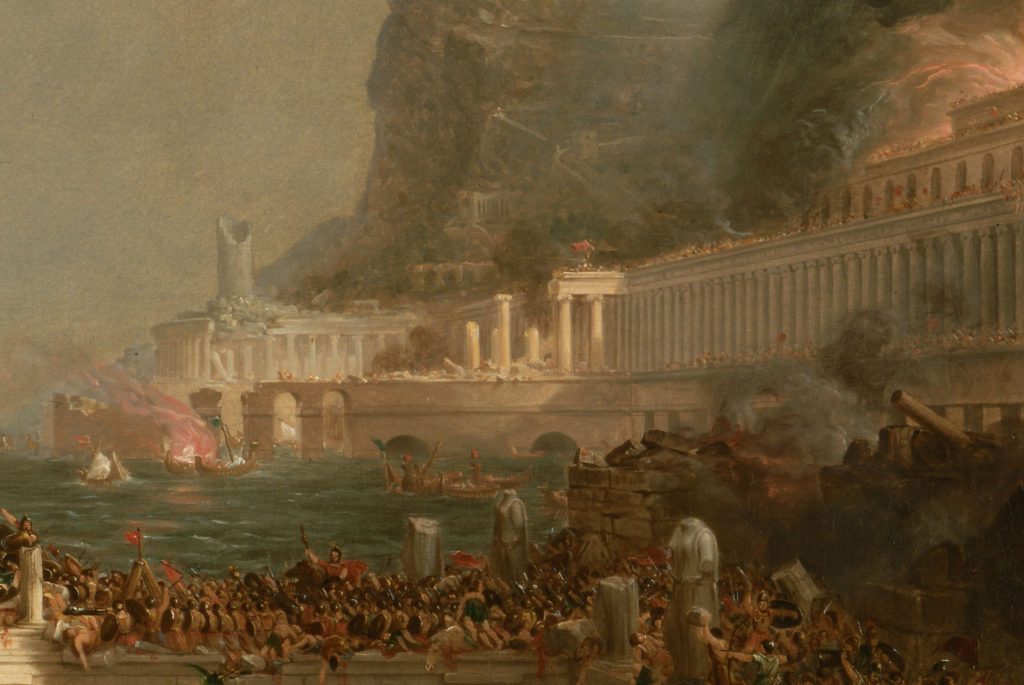
Narrative Painting Thomas Cole, The Course of Empire Destruction, 1836

Thomas Cole Meer

Thomas Cole the Course of the Empire 1836 COMPLETE SET Etsy The

Thomas Cole, The Course of Empire The Consummation of Empire, 1836
![Thomas Cole The Course of Empire Desolation (1836) [7784 × 5277] r](https://i.redd.it/9b1xh75n87f01.jpg)
Thomas Cole The Course of Empire Desolation (1836) [7784 × 5277] r
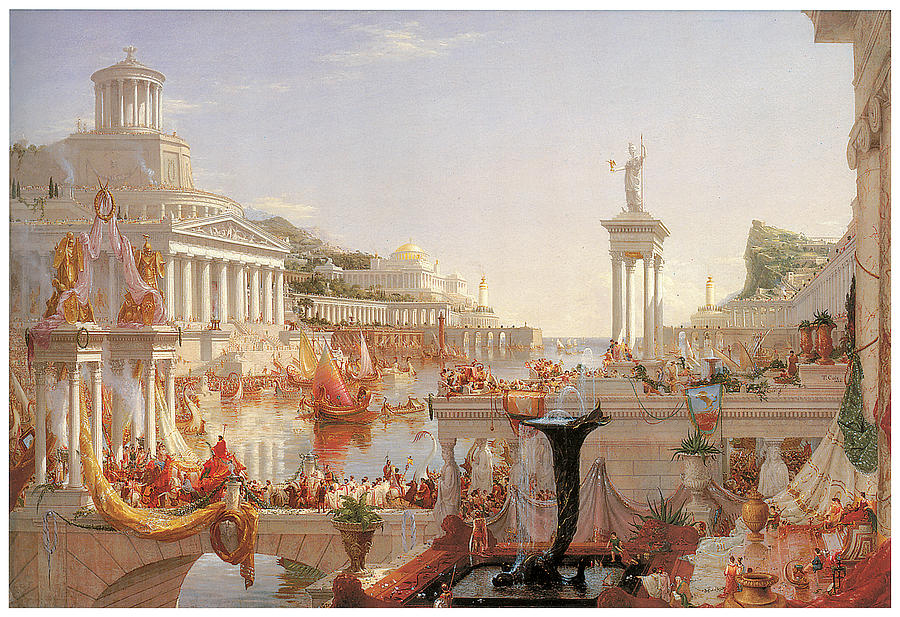
The Course of Empire Painting by Thomas Cole Pixels
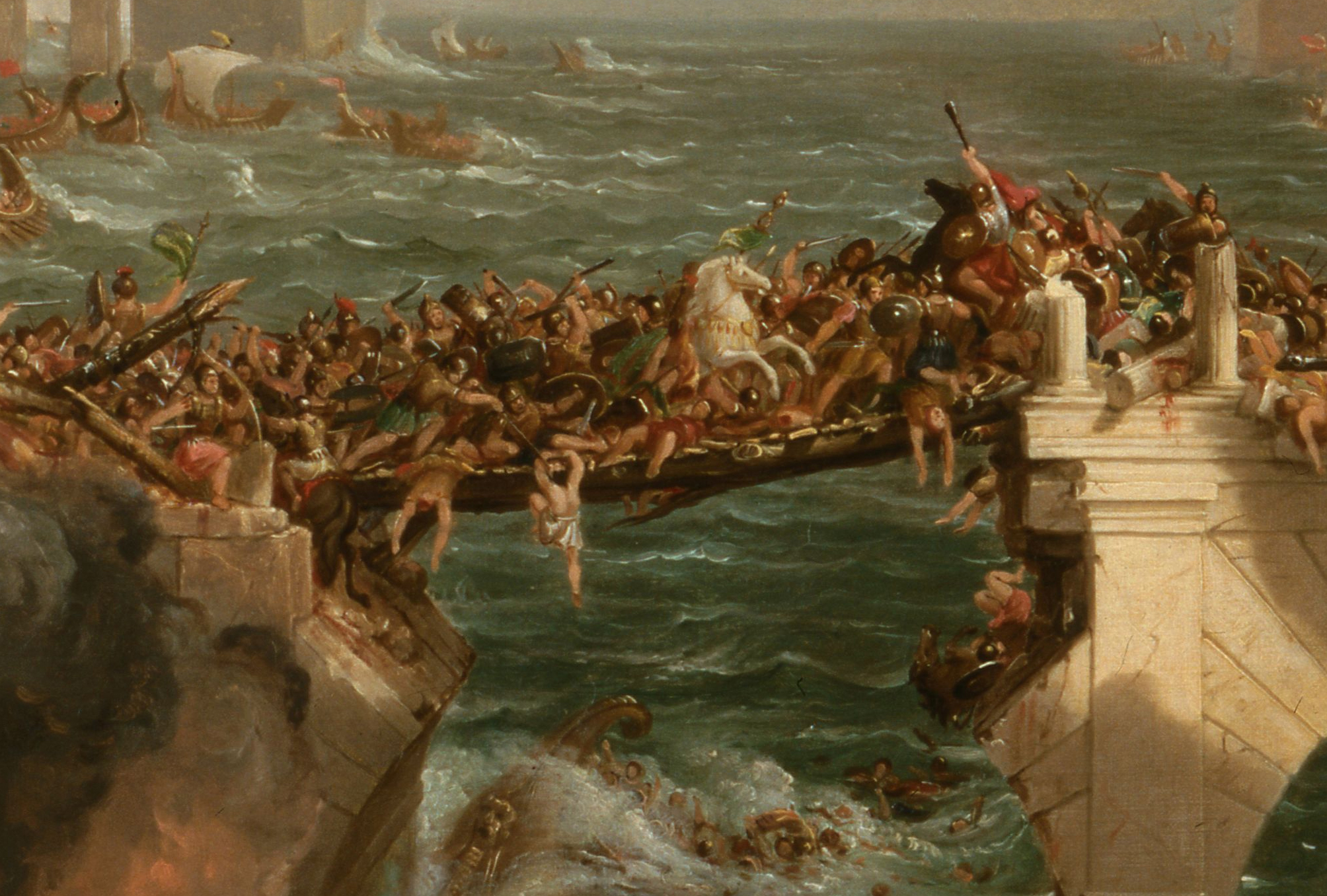
Narrative Painting Thomas Cole, The Course of Empire Destruction, 1836
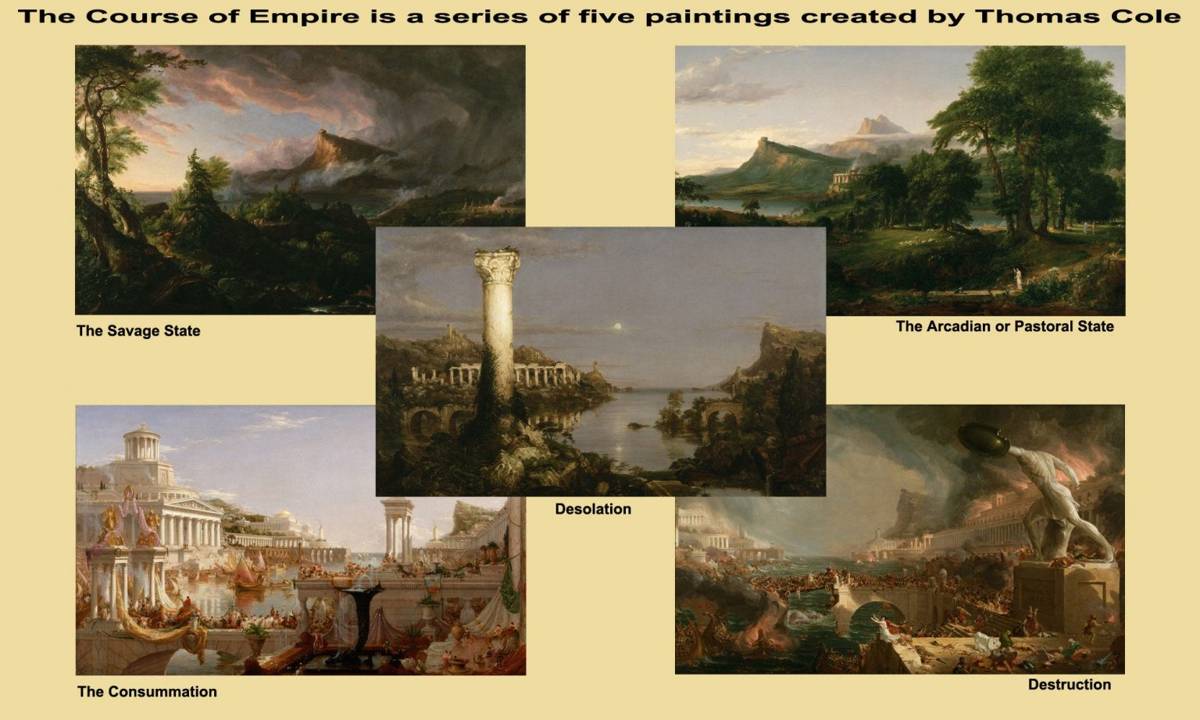
Course Of Empire Complete Set 5 Art Prints 10" X 16" Paintings By
Starting In 1833 Thomas Cole Spent 3 Years Creating The Course Of Empire, A Series Of Five Paintings Describing The Arc Of Human Culture From ‘Savage Wilderness’ Through High Civilization And Its Inevitable Destruction.
The Series Depicts The Growth And Fall Of An Imaginary City, Situated On The Lower End Of A River Valley, Near Its Meeting With A Bay Of The Sea.
Related Post: