
Urinary System Part 1 Crash Course A&P #38
Urinary System Part 1 Crash Course A&P #38 - Each of the functional units in the kidney, consisting of a glomerulus and its associated tubule, through which the glomerular filtrate passes before emerging as urine. System of tubes that is your urinary system. Crash course is on patreon! This worksheet is used to follow along with the crash course urinary system, part 1: We'll cover how nephrons use glomerular filtration, tubular reabsorption, and tubular secretion to reabsorb water and nutrients back into the blood, and make urine with the leftovers. Crash course a&p #38 video. _____ toxic leftovers out of your blood and ferrying it out of your body. Today we're talking about the anatomy of your urinary system, and how your kidneys filter metabolic waste and balance salt and water concentrations in the blood. Trash is one of the urinary system’s biggest jobs. Influencing rbc cell production 3. Each of the functional units in the kidney, consisting of a glomerulus and its associated tubule, through which the glomerular filtrate passes before emerging as urine. Trash is one of the urinary system’s biggest jobs. Included are a total of 17 questions and an answer key. Regulating water volume concentration and ph levels 2. Regulating your _____ volume, salt concentrations, and ph levels. This field is for validation purposes and should be left unchanged. We made flashcards to help you review the content in this episode! _____ toxic leftovers out of your blood and ferrying it out of your body. Renin angiotensin aldosterone system in under 2 mins! We'll cover how nephrons use glomerular filtration, tubular reabsorption, and tubular secretion to reabsorb water and nutrients back into the blood, and make urine with the leftovers. 3.your urinary system, especially your kidneys, helps maintain homeostasis by: Regulating your _________water______________ volume, salt concentrations, and ph levels. Each of the functional units in the kidney, consisting of a glomerulus and its associated tubule, through which the glomerular filtrate passes before emerging as urine. We'll cover how nephrons use glomerular filtration, tubular reabsorption, and tubular secretion to reabsorb water. Your spine against the posterior body wall. Included are a total of 17 questions and an answer key. Today we're talking about the anatomy of your urinary system, and how your kidneys filter metabolic waste and balance salt and water concentrations in the blood. Regulating your _____ volume, salt concentrations, and ph levels. Kidneys crash course a&p #38 [video]. 3.your urinary system, especially your kidneys, helps maintain homeostasis by: Study with quizlet and memorize flashcards containing terms like urinary system, kidneys, renal cortex and more. Crash course is on patreon! Influencing rbc cell production 3. Kidneys crash course a&p #38 [video]. Study with quizlet and memorize flashcards containing terms like urinary system, kidneys, renal cortex and more. Each of the functional units in the kidney, consisting of a glomerulus and its associated tubule, through which the glomerular filtrate passes before emerging as urine. Earn credentials for upskilling yourself with videos from youtube. We'll cover how nephrons use glomerular filtration, tubular reabsorption,. Earn credentials for upskilling yourself with videos from youtube. We'll cover how nephrons use glomerular filtration, tubular reabsorption, and tubular secretion to reabsorb water and nutrients back into the blood, and make urine with the leftovers. We made flashcards to help you review the content in this episode! Kidneys crash course a&p #38 [video]. Find them on the free crash. Your spine against the posterior body wall. Crash course a&p #38 video. Each of the functional units in the kidney, consisting of a glomerulus and its associated tubule, through which the glomerular filtrate passes before emerging as urine. This crash course a&p #38: Kidneys crash course a&p #38 [video]. Crash course anatomy & physiology #38 what’s in the blood is completely removed by the kidneys, then the body pulls back what it wants to hold onto before it goes to the bladder. This crash course a&p #38: We'll cover how nephrons use glomerular filtration, tubular reabsorption, and tubular secretion to reabsorb water and nutrients back into the blood, and. Each of the functional units in the kidney, consisting of a glomerulus and its associated tubule, through which the glomerular filtrate passes before emerging as urine. Today we're talking about the anatomy of your urinary system, and how your kidneys filter metabolic waste and balance salt and water concentrations in the blood. Trash is one of the urinary system’s biggest. This crash course a&p #38: Crash course is on patreon! This video worksheet accompanies anatomy & physiology: Like your intestines and stomach do. By signing up, you agree to our terms of service and privacy policy. Join thousands of students who trust us to help them ace their exams! This worksheet is used to follow along with the crash course urinary system, part 1: _____ toxic leftovers out of your blood and ferrying it out of your body. System of tubes that is your urinary system. Study with quizlet and memorize flashcards containing terms like urinary. This field is for validation purposes and should be left unchanged. Your urinary system, especially your kidneys, helps maintain homeostasis by: Today we're talking about the anatomy of your urinary system, and how your kidneys filter metabolic waste and balance salt and water concentrations in the blood. We'll cover how nephrons use glomerular filtration, tubular reabsorption, and tubular secretion to reabsorb water and nutrients back into the blood, and make urine with the leftovers. Like your intestines and stomach do. Influencing your _______red___________ blood cell production and blood pressure. Today we're talking about the anatomy of your urinary system, and how your kidneys filter metabolic waste and balance salt and water concentrations in the blood. Regulating your _____ volume, salt concentrations, and ph levels. _____ toxic leftovers out of your blood and ferrying it out of your body. This crash course a&p #38: Kidneys crash course a&p #38 [video]. Find them on the free crash course app! Influencing your _____ blood cell production and blood pressure. This video worksheet accompanies anatomy & physiology: Each of the functional units in the kidney, consisting of a glomerulus and its associated tubule, through which the glomerular filtrate passes before emerging as urine. We'll cover how nephrons use glomerular filtration, tubular reabsorption, and tubular secretion to reabsorb water and nutrients back into the blood, and make urine with the leftovers.
SOLUTION Urinary system part 1 Studypool

SOLUTION A p urinary system part 1 Studypool
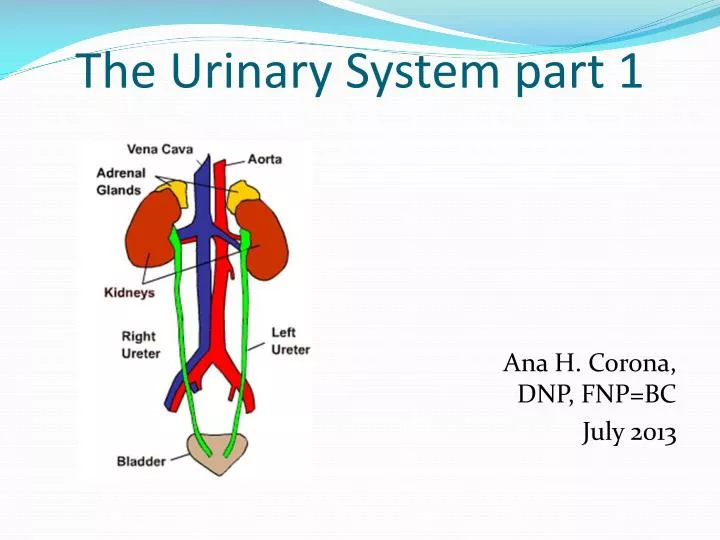
PPT The Urinary System part 1 PowerPoint Presentation, free download

Urinary System (Part 1) Diagram Quizlet
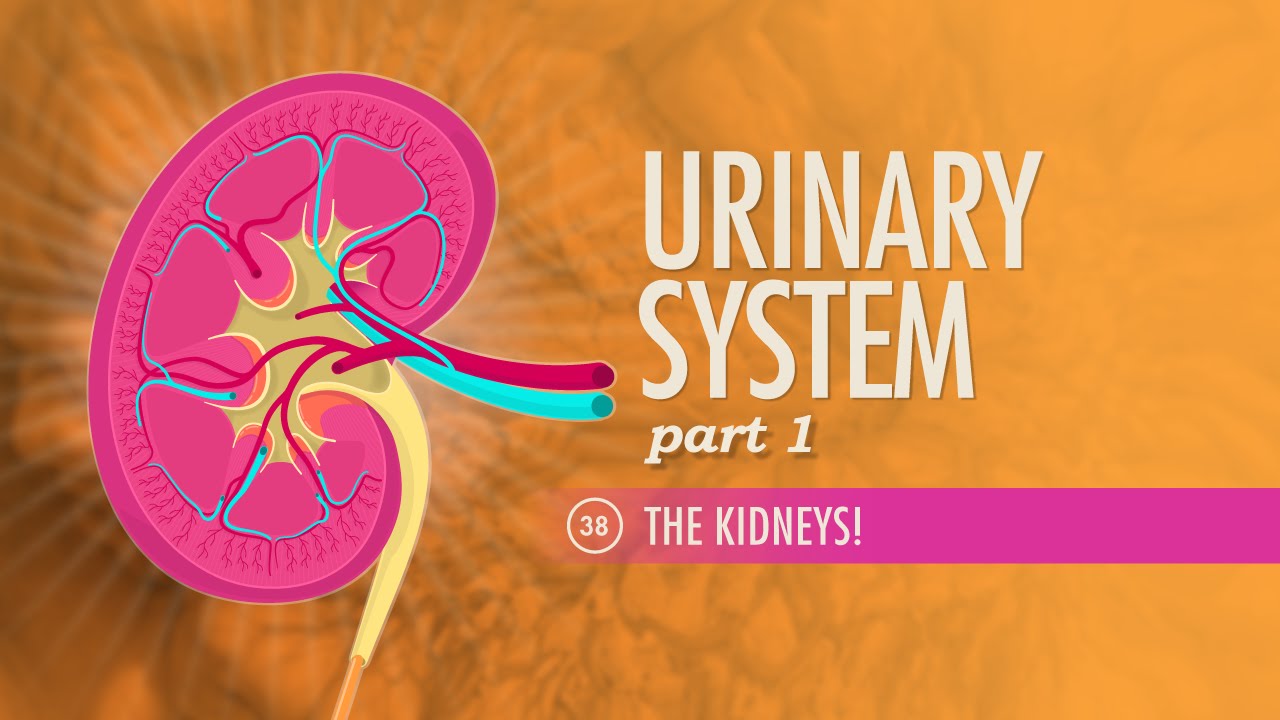
Urinary System, Part 1 Crash Course A&P 38

Urinary System, part 1 Crash Course A&P 38 YouTube Crash course

Urinary system part 1 Diagram Quizlet

SOLUTION Urinary system part 1 crash course anatomy physiology Studypool

Urinary System (Part 1) Crash Course Anatomy & Physiology norcet6

SOLUTION Urinary system part 1 Studypool
Your Spine Against The Posterior Body Wall.
This Worksheet Is Used To Follow Along With The Crash Course Urinary System, Part 1:
We'll Cover How Nephrons Use Glomerular Filtration, Tubular Reabsorption, And Tubular Secretion To Reabsorb Water And Nutrients Back Into The Blood, And Make Urine With The Leftovers.
Influencing Rbc Cell Production 3.
Related Post: